
Short walks along the Burren edge and around Doolin are among the most rewarding ways to experience the Cliffs Of Moher landscape — but coastal microclimates can change what you see and how comfortable you are in a matter of minutes. This guide helps visitors understand common local weather quirks, choose the best time and clothing for 30–90 minute outings, and plan safe, enjoyable short walks that sit comfortably alongside a Cliffs of Moher tour or day trip.
Plan your visit and short walks around the Cliffs of Moher
Why coastal microclimates matter for short walks around the Burren edge and Doolin
Microclimates are small-scale weather patterns caused by sea spray, landform shape, exposure to prevailing winds, and temperature differences between land and sea. Around the Burren edge and Doolin, these factors determine whether a short walk feels crisp and bright or suddenly foggy, chilly, and windy. For short outings the effects are outsized: a 45-minute walk can be comfortable one moment and uncomfortable the next if you aren’t prepared.
Understanding likely microclimate behaviours helps you pick routes that match your fitness, interests, and tolerance for wind or damp. It also helps you time your walk to avoid peak wind gusts or to catch sunlight in sheltered pockets for photography or plein-air sketching on the cliffs. If you’re bringing a group or joining a tour, knowing these patterns makes choosing a guided option easier when conditions look variable.
Common microclimate features to expect: sea fog, wind funnels, sun pockets and rapid temperature shifts
Sea fog: Warm air over cooler water or vice versa can create low-lying fog that moves inland quickly. This is most noticeable in sheltered bays and around headlands where fog can pool and reduce visibility.
Wind funnels: Narrow valleys, promontories and the gap between headlands can accelerate winds. Even on an otherwise calm day, a wind funnel near the cliff edge will feel much stronger and colder.
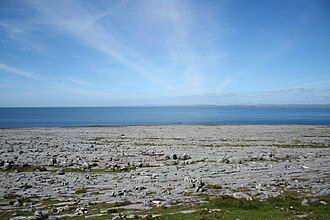
Sun pockets: Limestone pavement, stone walls and sheltered bays often create surprisingly warm, sunny pockets. These are great for short breaks, sketching or a calm viewpoint away from gusts.
Rapid temperature shifts: The temperature can drop sharply when a breeze shifts from land to sea direction or when cloud blows in from offshore. Expect a 3–6°C (5–10°F) change in minutes during transitional conditions.
Choosing the best time of day and season for short coastal walks (practical cues rather than fixed schedules)
Rather than relying on fixed opening times or schedules, look for practical cues. Mornings often bring calm conditions and clear air after a cool night, which suits early short walks and photography. Midday can produce thermal activity that lifts fog and creates sun pockets, but also strengthens sea breezes.
Late afternoon can be beautiful for soft light, but wind often increases as temperature gradients shift toward evening. In summer, expect more stable sunshine but also quick fog from warm, humid air over cooler sea. In shoulder seasons the weather is more changeable — that’s fine for a short walk if you prepare for wind and drizzle.
Pay attention to cloud banks coming in from the sea and to the feel of the air near the shore: if you can smell seaweed and dampness, visibility can drop quickly. When planning around tours or a full Cliffs visit, build a short walk into windows of calmer weather and check local advice on the day.
What to wear and pack for short walks: layering, footwear, wind and rain protection, and easy extras
Layering is key: start with a breathable base layer, add a mid layer for warmth and finish with a lightweight, windproof outer shell that resists spray. A compact waterproof is essential because coastal drizzle and spray can soak you quickly even on short outings.
Footwear should have good grip — wet limestone and narrow coastal paths can be slippery. Shoes with ankle support are sensible if you intend to follow rougher limestone-edge paths. Avoid smooth-soled footwear.
Pack a small daypack with a spare lightweight layer, a windproof hood or buff, a water bottle, and a waterproof cover for electronics. Sunglasses and sun cream are as important as wind protection: bright sunlight often follows fog and lengthens your outdoor comfort window.
For sketching or photography bring a lightweight tripod or sketchboard and sealable plastic bags for paper or phone protection. If you plan to join a workshop such as the Seaweed Foraging & Coastal Cuisine Workshops Near Doolin — Visitor Guide, tuck a small notebook and a few plastic bags for samples in a dry pocket.
Suggested short walk ideas near Doolin and the Burren edge — how microclimates change each option
Sheltered shore strolls: Routes hugging small bays and harbours near Doolin often have sheltered conditions and sun pockets. These make for relaxed 30–60 minute walks, ideal for families and plein-air painters. For safe scenic locations ideal for morning light, see Sunrise painting spots at the Cliffs of Moher — safe, scenic locations for plein‑air artists.
Exposed cliff-edge lookouts: Short loops around the cliff-edge viewpoints can be spectacular but highly exposed. Expect stronger winds and quicker fog roll-ins here. Keep to signed paths and avoid the very edge during gusty conditions. These spots reward crisp, clear weather with wide sea views and are best chosen when the sea breeze is moderate.
Inland limestone-edge paths: Tracks along the Burren edge away from the immediate coast are often calmer, with less spray and more stable sun pockets. They can warm up quickly on sunny days but be aware of stone-carved hollows where wind funnels may form. Try the Doolin village circular walk — sea‑edge viewpoints and an easy coastal loop for an easy, sheltered option that still keeps you close to the coast.
Island-facing promontories: Small headlands facing the Aran Islands can be subject to strong cross-winds. These sites are dramatic for sketching and quiet views, but they can change from calm to gusty. If islands are your interest, consider Aran Islands coastal promontories for sketching and quiet views and, if departing from Doolin, look into Aran Islands boatbuilding demonstrations from Doolin — Visitor guide as a cultural complement to a short walk.
When to favour a guided short walk or tour vs self-guided options (weather-sensitive choices)
Choose a guided short walk when visibility is limited, when conditions are windy, or when you want expert local interpretation. Guides know safe viewpoints, can time short walks to microclimate windows, and will adjust the route if fog or wind makes cliff-edge options unsuitable. Guided tours also work well for small groups or visitors who want photography or nature tips without the logistics.
Self-guided works well on settled days, for clear routes like the Doolin village circular walk, or for short sheltered shore strolls. If you go self-guided, keep your route conservative, tell someone where you’re heading, and be ready to turn back if conditions change. If you’re considering a private or group option, private tours can be tailored to microclimate conditions and are a good fallback when the weather is changeable — check private group availability in advance.
Safety checks and real-time planning: using forecasts, local advice, signage and contingency plans
Start with a reliable national forecast and then refine your decision using local indicators: sea haze, cloud movement from the horizon, and wind direction felt on your face. The Cliffs area can feel different from inland forecasts, so expect local variation and check with visitor centres, guides or your tour operator for day-of updates.
Observe signage and barriers — they reflect known hazard areas and are updated when conditions become unsafe. If signage directs you to stay on a defined path or to avoid certain ledges, follow it. Bring a charged phone and a portable charger, and download maps or route notes in case reception is poor.
Contingency planning: decide in advance how long you’ll continue before turning back, where the nearest sheltered spot is, and how to rejoin your tour or reach transport. For short family walks, pick a turnaround point that keeps everyone close to shelter and facilities.
Quick planning checklist: one-page reminders before you set out
– Check the latest weather forecast and local advisories. If in doubt, ask a visitor centre or your tour guide.
– Choose a route that matches expected conditions: sheltered shore for light wind, inland limestone paths for calmer walking, or avoid exposed promontories in gusty weather.
– Dress in layers with a windproof outer layer and secure footwear with good grip.
– Pack a small waterproof daypack, spare layer, water, and protection for electronics.
– Tell someone your short-walk plan or join a guided option if conditions look changeable.
– Respect signage, stay on marked paths and keep a safe distance from cliff edges.
– Allow extra time to return to your tour or transport if conditions shift.
Plan your visit and short walks around the Cliffs of Moher — and if you prefer a tailored experience, consider a private or group tour that adapts to microclimate windows and local conditions: book private or group tours. Always check current official information on accessibility and safety before you go.
FAQ
What are the most common coastal microclimates I’ll meet on short walks around Doolin and the Burren edge?
You’ll most often meet sea fog that can move quickly inland, localized wind funnels around headlands and valleys, warm sun pockets in sheltered bays and near stone walls, and rapid temperature shifts when wind direction or cloud cover changes. Each of these affects visibility, perceived temperature and comfort on short walks.
How should I dress for a 30–90 minute coastal walk near the Cliffs of Moher?
Dress in layers: a breathable base layer, a warm mid-layer and a lightweight windproof and waterproof outer layer. Sturdy, grippy footwear is important for wet limestone and coastal paths. Pack a small extra layer and rain protection in a compact daypack.
Are local weather forecasts reliable for sudden fog and wind changes, or should I check something else before I go?
National and regional forecasts give a good overview, but local conditions can differ. Combine forecasts with on-the-ground cues: observing cloud banks, feeling the wind, and asking local visitor centres or guides provides the best real-time picture for short walks.
Should I join a guided short walk when conditions look changeable, or can I safely go self-guided?
When conditions look changeable — limited visibility, strong winds or incoming sea fog — a guided short walk is safer and often more enjoyable because guides know local safe viewpoints and microclimate behaviour. If you’re experienced, well-prepared and the route is sheltered, self-guided can be fine; otherwise favour guided or private options.