
Cliffs of Moher: Tide & Coastal Swell Guide for Shore Observations
The Cliffs of Moher are among Ireland’s most dramatic coastal landscapes, and what you see from the shore can change significantly within hours. Tides raise and expose rock platforms; coastal swell alters sea state, spray and visibility; and wind and light affect comfort and photo opportunities. This guide explains in plain terms how tides and swell shape shore-based observations, how to check forecasts before you go, practical safety tips, and simple timing and photography advice so you can make the most of a visit to the Cliffs of Moher.
Book a Cliffs of Moher guided day tour to time your visit with ideal shore conditions
Why tides and coastal swell matter for shore observations at the Cliffs of Moher — what changes from hour to hour
Tide and swell determine which parts of the coastline are visible and how the sea looks from the cliff-top. At high tide the waterline sits higher against the cliff base and some rock features and sea stacks will be submerged. At low tide more ledges and caves can appear, but these features are usually visible only from vantage points or by boat.
Coastal swell — long-period waves generated by distant storms — changes the sea’s shape, creating larger waves, more spray and intermittent spectacular surges against cliff faces. Wind-driven chop and short-period waves add texture to the surface and influence how far you can see across the water. Because tides and swell change continuously, the best viewing or photography conditions at 10:00 can be very different from those at 14:00.
Tidal basics for visitors
High versus low tide, in simple terms
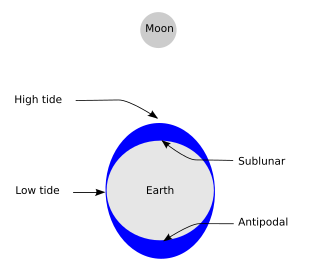
High tide is when the sea reaches its highest point on the shore; low tide is when it recedes to its lowest. Between those extremes the water rises (flood) and falls (ebb). At the Cliffs of Moher, the visual difference can be dramatic: rock shelves, small caves, and intertidal pools are more visible at low tide, while high tide brings the sea closer to the cliffs and can conceal coastal details.
Tidal range, spring and neap cycles
Tidal range means the vertical difference between high and low tide. Larger ranges occur during spring tides, which happen around full and new moons; smaller ranges occur during neap tides, around the moon’s quarter phases. For shore observations, spring tides expose more shoreline at low tide and bring higher water at high tide. You do not need charts to benefit from this — note that weekend visits near a full or new moon often mean a bigger tidal change than mid-cycle.
What coastal swell is and how it affects what you see
Swells are long-wavelength waves that have traveled away from their storm source. Their period (time between wave crests) and height determine how energetic the sea looks when swells reach the cliffs.
When swell is small and long-periods are low, the sea appears calm and steady; visibility is generally better and there is less spray at the cliff edge. When swell is large, even distant storms can send powerful waves that break against the base of the cliffs and create spray that can reach viewpoint areas. Swell can also mask or highlight coastal features: a calm sea will reveal rock platforms and tidal pools, while powerful swell will hide them and draw attention to crashing waves and sea-spray patterns.
How to check tide and swell information before your visit
Check three types of forecast before you travel: tide predictions, marine swell and wind forecasts, and local sea state or coastal hazard notices. Tide predictions tell you times of high and low water and the expected heights. Marine forecasts include swell height, swell period and direction, plus wind speed and direction. Local hazard notices may report unusually large swells, rogue wave warnings or coastal access issues.
Use reputable sources for each: a tide table or official harbour tide predictions for the west coast of Ireland, any national meteorological authority’s marine forecast, and harbour or local council notices for access updates. Because conditions change, always verify current official information on the day of travel.
Timing tips for different shore-based experiences
Calm viewing and easy walking
Choose a day with low swell and moderate winds if you want relaxed viewing and clear sightlines to the sea and distant Aran Islands. Mid to late morning or early afternoon can be comfortable for many visitors, but check the marine forecast for low swell windows and the tide table if you want to see exposed ledges.
Capturing dramatic waves and spray
If you’re aiming for dramatic surf, look for days with a higher swell and a long swell period. Large swell plus onshore wind produces the most spectacular spray and crashing waves visible from cliff viewpoints. Keep in mind that dramatic waves also increase the hazard level near cliff edges—see the safety section below.
Exposed rock features at low tide
To see more of the base of the cliffs and intertidal features, plan around low tide during a spring cycle for maximum exposure. Even then, many shoreline features are best viewed from specific vantage points; consult viewpoint guides such as Liscannor Bay viewing points for Cliffs panoramas to pick the best spots.
Photography timing and light
Combine swell/tide information with light conditions for better images. Low sun angles at sunrise and sunset create strong shadows and warm tones on the Burren limestone—useful for texture and contrast. See Seasonal Light and Colour on Burren Limestone: A Photographers’ Guide for Cliffs of Moher Visitors for more on light and timing. For large waves, use faster shutter speeds to freeze action; for silky water, choose long exposures with a steady tripod—mind the spray and protect your gear.
Safety considerations related to tides and swell
The most important rule: respect official signage, barriers and staff instructions at all times. Swell can produce unexpected surges and sea spray that make cliff-top paths slippery and reduce visibility.
Stay well back from cliff edges. Rocks near the edge can be undermined by the sea and may give way. Avoid descending to coastal platforms unless it is clearly permitted and safe — many lower paths and rocks are hazardous when wet or during an incoming tide.
Be cautious of sudden spray and “sneaker waves.” These are larger-than-expected waves that can reach higher up the shore. If you notice large swell, rising spray or cracking noises from the cliff base, move to a safer viewing distance. When in doubt, stay on marked paths and at designated viewpoints.
Practical packing and observation tips
Dress in layers and bring waterproof outerwear. Even in calm conditions, sea spray and wind can chill you quickly. Sturdy shoes with grip are useful for walking paths and viewing platforms. Bring a small towel or lens cloth to wipe camera lenses after spray, and keep electronics in waterproof pouches or dry bags.
For sketching or plein-air work, consider windbreaks and simple clips to hold paper—see Outdoor Sketching Etiquette & Quick Plein‑Air Tips for Visitors to the Cliffs of Moher for practical behavior and minimal-impact suggestions. Plan your position with safety in mind: choose sheltered spots if the wind or sea state is strong.
When to consider joining a guided tour
Guided tours can time visits to coincide with favorable shore conditions, especially if you want an expert to point out safe viewpoints, highlight features and help with timing for photography. Guides are also useful when sea state is changeable, as they monitor conditions and adjust stops to maximize safe viewing. Book a guided option if you prefer a hassle-free visit and professional timing of your shore observations.
Book a Cliffs of Moher guided day tour to time your visit with ideal shore conditions — for private or group tours, consider selecting a timed private option to focus on tide and swell-dependent viewpoints: Book a Cliffs of Moher guided day tour to time your visit with ideal shore conditions.
Further local reading and viewpoints
If you plan to combine your shore observations with nearby stops, see Best County Clare coastal drive stopovers between Galway and Doolin for route ideas. For clear views of the Aran Islands skyline, check Where to see the Aran Islands skyline from Doolin | Best viewpoints & timing. When scouting specific overlooks for different tide or swell conditions, the Liscannor Bay viewing points for Cliffs panoramas guide is a useful companion.
Final practical reminder
Tides and swell are dynamic. Forecasts, local notices and weather can change quickly—always verify current, official information on the day you travel. Using tide predictions and marine forecasts together will give you the best chance of safe and rewarding shore observations at the Cliffs of Moher.
FAQ
How can I tell if low tide will reveal more shoreline features near the Cliffs of Moher?
Check a tide prediction for the day to find low tide times and the expected tidal range. Low tide during a spring tide exposes the most rock platforms and intertidal features. Pair the tide information with a calm swell forecast for the clearest views of shoreline details.
Is it safe to watch large swells from the cliff edge, or should I stay back?
Large swells create more spray and increase the chance of sudden surges. Always stay behind safety barriers and keep a generous distance from unprotected edges. If you notice spray reaching viewpoints or staff advising caution, move back to a safer viewing area.
Which forecasts should I check for tide and swell before heading to the cliffs?
Consult tide predictions for high and low water times and heights, a marine forecast for swell height, period and direction, and local announcements for access or hazard notices. Use official national marine forecasts and current local information on the day of your visit.
Will tide and swell affect access to the main viewing areas or coastal paths?
Most main viewing areas and upper cliff paths remain open at all tide states, but some lower paths and coastal platforms can be affected by high tide or heavy swell. Always respect posted signs and check local notices for temporary closures—verify current, official information before you set out.