
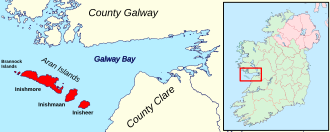
Aran Islands Ferries from Doolin — Boarding & Luggage Tips
If you’re planning a day that pairs the Cliffs of Moher with a boat trip to the Aran Islands, a little practical planning around ferries from Doolin will keep the day relaxed and on schedule. This guide focuses on what Cliffs of Moher visitors need to know about where ferries leave, how to check in, what to bring, and how to handle luggage, bikes, baby gear and accessibility needs — with clear pointers to check operator rules and weather-sensitive schedules before you travel.
Plan and book your Cliffs of Moher visit and nearby day trips — including suggested day-trip pairings and tour options that link the Cliffs with Doolin departures and island crossings.
Why these ferry tips matter for Cliffs of Moher day-trippers
Many visitors fit both the Cliffs of Moher and an Aran Islands trip into a single day. Timing and smooth transfers matter because the walk from the Cliffs car park to viewpoints, photo stops, and then onward to Doolin can eat into ferry windows. Knowing check-in procedures, arrival buffers, and luggage rules reduces stress and helps you enjoy both experiences rather than race between them.
Before you set out, check local weather and wind conditions. The coast around the Cliffs is exposed and seas can be choppy; consult up-to-date resources such as the Real-Time Weather & Wind Resources for Cliffs of Moher Visitors to see if crossings are likely to run.
Where ferries depart in Doolin and how to get there from the Cliffs of Moher
Ferries to the Aran Islands leave from Doolin harbour and nearby slipways. From the Cliffs of Moher visitor area, the drive to Doolin is short but roads are narrow and parking at popular times can be limited. If you arrive at the Cliffs by public transport, check routes that connect to Doolin — see our guide on How to reach the Cliffs of Moher from Galway using public transport — Doolin routes & tips for practical options.
Allow time for the short drive, parking or drop-off in Doolin, and a brief walk from parking or the village centre down to the harbour. If you plan to visit the village beforehand — for lunch or a quick look at local architecture — the Traditional Burren Cottage Architecture Route is a pleasant way to explore without losing sight of ferry times.
Buying tickets and check-in: reservations, walk-up options, and confirmations
Many operators accept advance reservations and recommend booking ahead during peak season and on fair-weather weekends. Booked tickets often come with a reference number or e-ticket that you present at check-in. Walk-up spaces may be limited; if you rely on a spot on the day, arrive early and have a contingency plan.
Check your booking confirmation for any specific arrival or check-in instructions. Operators sometimes require guests to check in at a ticket office or meet a vessel crew at a designated slipway. Because policies change, verify the latest information directly with the operator before travel.
When to arrive and what the boarding process looks like (what to expect)
As a rule of thumb, aim to be at the Doolin harbour area early enough to allow for parking, ticket presentation, and a brief safety briefing. Many operators ask passengers to check in 20–45 minutes before departure; exact times vary so always follow your ticket instructions. If you have an advance booking, that usually shortens the check-in step but doesn’t eliminate the need to be there early.
On arrival you’ll typically queue at a check-in desk or meet a staff member near the boarding point. You may be given a boarding time or directed to wait in a marked area. Boarding itself is usually by groups or rows — follow crew instructions carefully. Expect a short safety talk about lifejackets, movement on deck, and where to store small bags during the crossing.
Luggage basics: common operator limits, carry-on vs. checked items, packing for sea conditions
Operators generally encourage light, compact luggage. Most crossings are short but exposed; large suitcases are unwieldy on small passenger boats and may not be accepted. Bring a small daypack or soft bag you can secure on deck. Hard-shell suitcases can be difficult to stow and may be refused, so opt for flexible bags where possible.
Think seaworthy: strap-down or zippered pockets for valuables, waterproof covers or dry bags for electronics, and layered clothing for wind and spray. Even on calm days the sea can spray; a light waterproof jacket and quick-drying clothes are wise. Secure sunglasses and hats, as wind on passage can snatch loose items.
Because operator rules and vessel sizes differ, check carriage limits with your booked ferry operator. If you foresee needing to transport larger luggage to the Aran Islands or back to the mainland, confirm whether the vessel offers a checked luggage service and what dimensions and weight are permitted.
Special items: bikes, large bags, baby gear, and mobility aids — how to plan
If you plan to bring a bicycle, check the operator’s policy in advance. Some ferries can carry bikes but may require a reservation for space and have restrictions for folding vs. standard bikes. Large sports equipment (surfboards, large fishing gear) may be restricted due to space and safety considerations.
For baby gear, operators commonly allow lightweight strollers and essential items; however, large prams might be difficult to manage on compact boarding decks. If you travel with an infant, bring a secure carrier as a backup and confirm stroller handling with staff at check-in.
Mobility aids such as folding wheelchairs, walkers, or scooters are usually accommodated when operators are informed ahead of time. Operators can advise whether ramps, sheltered storage, or crew assistance are available. Notify the ferry company when booking so they can prepare to help — and to confirm whether transfer points on the Aran Islands are accessible for your specific equipment.
Accessibility and assistance: requesting help and what operators typically provide
Many Doolin-to-Aran ferry operators provide assistance for passengers with reduced mobility, but levels of support vary. Typical services include help boarding from the quayside, designated seating, sheltered areas and crew assistance with bags. Some landing points on the islands have steps or uneven surfaces — important to consider when planning onward mobility once ashore.
Request assistance at booking and again at check-in. If you need wheelchair-accessible transfer ramps or priority boarding, state this clearly when you reserve. Operators may require notice to arrange appropriate crew resources or to advise about landing conditions on your chosen island.
Final checklist before boarding: weather checks, timings, IDs, and contingency planning
Before you leave for Doolin, run through a short checklist: confirm your booking reference and check-in location; verify the crossing status with the operator; inspect real-time weather and wind data; and ensure you have ID and any required travel documents. If you plan to combine the ferry with a visit to the Cliffs, allow buffer time for unpredictability in parking and village crowds.
Have a contingency plan if crossings are delayed or cancelled: know how to contact your operator, consider alternative activities nearby — such as a longer visit to the Cliffs, a walk along coastal viewpoints, birdwatching with the Seabird Species Guide for Cliffs of Moher Visitors, or exploring Doolin village sights. Where details may change, always check current official information with the ferry operator before you travel.
For planning help and combined day-trip ideas that pair the Cliffs with Doolin departures, Plan and book your Cliffs of Moher visit and nearby day trips. If you prefer a private or small-group experience, consider our private tours to coordinate ferry times and island visits — learn more about private options that tailor to mobility or luggage needs here.
Practical boarding tips to reduce stress
Pack essentials in an easily accessible pocket: phone, wallet, reservation confirmations, a light waterproof, and essential medication. Use zip or roll-top dry bags for valuables. Avoid overpacking; small, well-organized bags move quicker through boarding and free you to enjoy deck views without juggling items.
On boarding, follow crew instructions and remain seated or in designated safe zones when told. If you are prone to seasickness, take preventative measures ahead of the crossing. If you can, take a seat mid-ship where motion is least pronounced.
Enjoying the islands and returning smoothly
Allow time on the islands for unexpected delays in return ferries and for tidal or weather-related changes. If you’re visiting more than one island or planning onward transport back to the Cliffs or Galway, reconfirm return times and check-in points. When leaving the islands, arrive at the designated boarding area early and have your return confirmation handy.
For coastal context, the Aran Islands and the Cliffs area are rich in maritime landmarks; if you enjoy lighthouses or coastline viewpoints, consult the Lighthouses and Coastal Lights Visible from the Cliffs of Moher — Viewpoint Guide to identify features you’ll pass or see from the ferry.
FAQ
How early should I arrive in Doolin before an Aran Islands ferry?
Arrival times vary by operator; a common recommendation is to be at the harbour area with enough time to park and check in 20–45 minutes before departure. Always follow the check-in time printed on your ticket or confirmation and check directly with your operator for exact instructions.
What size or type of luggage is allowed on ferries from Doolin?
Luggage policies differ between operators. In practice, soft-sided bags and daypacks are preferred; large hard-shell suitcases may be discouraged or refused on smaller passenger vessels. Check your operator’s current luggage rules before travel and consider a compact, waterproof daypack for island visits.
Can I take a bicycle or large sports equipment on the ferry?
Some operators permit bicycles and certain sports equipment but often require advance notice or booking for space. Rules on size, folding status, and any fees vary, so confirm with the ferry company before you travel.
What should I do if my ferry is delayed or cancelled due to weather?
Contact the ferry operator as soon as you’re aware of a delay or cancellation. Operators will advise about rebooking, refunds, or alternate crossings. If changes disrupt your plans, consider staying longer at the Cliffs or exploring Doolin while you wait; always have a contingency and check current official information for the latest guidance.