
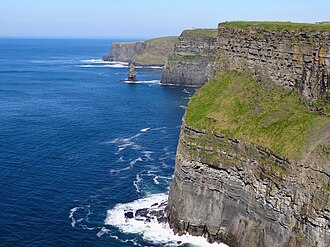
Cliffs of Moher Coastal Walk: Routes, Safety & Best Viewpoints
The Cliffs of Moher coastal walk is one of Ireland’s most iconic shoreline experiences: dramatic sea cliffs, seabird colonies, panoramic Atlantic views and a range of route choices suitable for quick visits or extended walks. This guide explains the main access points, route options, safety considerations and whether to walk independently or with a guide so you can plan a visit that matches your time, fitness and interests.
Book guided coastal walks and Cliffs of Moher day tours
Overview of the coastal walking area
The core coastal walking area runs along the western edge of the Cliffs of Moher Visitor Experience and continues in both directions. Access is typically from the Visitor Centre car park east of the main cliff face, or from smaller trailheads and village approaches such as Doolin to the north. Routes differ in character: maintained clifftop paths that follow the cliff edge, and lower seaside approaches or connecting country lanes that meet the cliffs at designated viewpoints.
Clifftop paths are generally higher, offering uninterrupted seascapes and direct access to well-known viewpoints. Seaside or village approaches can feel quieter and provide different perspectives, including views back to the cliffs from the sea-side villages. For practical arrival details, see advice on parking and alternatives in our parking guide.
For ticketing and visitor facilities information, check the latest guidance in our tickets article before you go.
Route options for visitors
Short panoramic sections (ideal for limited time)
If you have 30–60 minutes, choose a short clifftop stretch that takes in the closest, most dramatic viewpoints. These short walks are the best option for visitors who want a powerful impression without a long hike. They usually start near the Visitor Centre and loop or return along the same path.
Pros: quick, accessible viewpoints, minimal navigation. Cons: can be busy during peak times and offers less variety than longer routes.
The classic clifftop stretch (half-day option)
The classic clifftop walk follows well-formed paths along the cliff edge and can be extended or shortened depending on fitness and weather. This route exposes walkers to sweeping views of Hag’s Head, O’Brien’s Tower and the full length of the main cliff face. Expect uneven surfaces and occasional steep sections in places.
Pros: iconic views, birdwatching opportunities, photography spots. Cons: exposed to weather, requires steady footing and more time.
Linking to nearby villages (Doolin and beyond)
Connecting the clifftop route with nearby villages such as Doolin creates a longer, more varied day walk. Approaching from or finishing in Doolin offers the chance to combine coastal walking with village amenities, ferry links, or traditional music in the evening.
Pros: cultural stops, alternative transport options, quieter sections. Cons: longer distance, need to plan transport or return logistics. For planning longer itineraries, including public transport or guided transfers, see our practical Galway to Cliffs of Moher tour planning guide.
Self-guided vs guided coastal walks
What to expect on a self-guided walk
Self-guided walking gives you flexibility over pace and stopping points. Paths are waymarked in popular sections, but weather and trail conditions can change. Walkers should carry a map, check current information before setting out and be confident navigating exposed coastal paths.
Benefits of joining a guided walk
Guided walks add local knowledge, safety oversight and storytelling. Guides can point out seabird colonies, geological features and the best viewpoints for photography. If you prefer not to worry about logistics or want richer interpretation, a guided option is a practical choice.
When to choose a tour
Choose a tour if you have limited time, are unfamiliar with coastal conditions, are visiting with a small group, or want background on history and wildlife. Our guided options are designed to suit a range of interests and fitness levels—consider booking in advance to secure your place and to coordinate transport.
Planning your walk
Timing matters for comfort and experience. Mornings and late afternoons can offer softer light for photos and fewer crowds; midday is busiest. Seasonal factors influence daylight, sea state and bird activity—check our guide to the best time to visit for wildlife and birdwatching for details that may help you pick the right day.
Be realistic about distance and fitness. Short panoramic sections are suitable for most visitors; the classic clifftop stretch or linking to Doolin requires more endurance. Allow extra time for stops, photography and unexpected weather changes. If you plan to drive, review current parking options in our parking guide and check for any temporary changes.
Safety and responsible walking
Cliff edges are steep and often exposed to strong wind. Stay on designated paths and behind protective barriers where provided. Paths can be narrow and uneven—watch your footing and avoid taking risky shortcuts. Where details may change, always check current official information before you go.
Weather risks: conditions on the coast can change quickly. High winds, fog and heavy rain reduce visibility and increase risk. Turn back or seek shelter if conditions deteriorate. Children should be supervised closely, and dogs kept on a short lead near cliff edges and around wildlife nesting areas.
Local regulations may include seasonal restrictions around nesting seabirds or conservation areas—respect signage and keep to marked routes. Responsible walking protects both visitors and the natural environment.
What to pack and prepare
Footwear: sturdy, grippy shoes or hiking boots are the best choice—paths can be muddy or slippery after rain. Clothing: dress in layers, including a windproof outer layer; coastal conditions can be significantly colder and windier than inland.
Water and snacks: bring enough water for the duration of your walk and energy-rich snacks if you plan a longer route. Camera gear: a wide-angle lens or a zoom for seabirds will help, plus spare batteries as cold weather drains power. Practical extras: a basic first-aid kit, a charged phone with offline maps, and sun protection on clear days.
Combining the coastal walk with tours, transport and nearby visits
Combining a coastal walk with a day tour can simplify logistics: guided tours often include transportation from major hubs, timed arrivals to avoid peak crowds, and additional local stops. If you’re self-driving, allow time for parking and potential shuttle services. For multi-stop itineraries, the Galway to Cliffs of Moher planning guide has helpful suggestions for coordinating transport and timing.
Sample visitor-friendly options:
– Short visit: a quick clifftop walk with time for the Visitor Centre and a visit to nearby viewpoints.
– Half-day: the classic clifftop stretch combined with a break in a nearby village.
– Full day: link the cliffs with Doolin, include a coastal village lunch and catch a late ferry or guided transport back to your base.
Always check current schedules and services before finalising plans.
Book guided coastal walks and Cliffs of Moher day tours
If you prefer a private or group experience, private and bespoke tours can be arranged to match your pace and interests. Book guided coastal walks and Cliffs of Moher day tours
FAQ
How long does the Cliffs of Moher coastal walk take and how difficult is it?
Duration depends on route choice: short panoramic sections can take 30–60 minutes, the classic clifftop stretch is often a half-day activity, and linking to nearby villages is a full-day undertaking. Difficulty ranges from easy for short, flat sections to moderate for longer, exposed cliff-edge walks. Paths can be uneven; check current information and choose a route that matches your fitness.
Should I join a guided walk or is the route easy to do by myself?
The route can be done independently if you are comfortable navigating exposed coastal paths and checking weather. Guided walks add interpretation, local knowledge and logistical ease—ideal for first-time visitors, groups or anyone who prefers not to plan transport and safety details themselves.
Is the coastal walk safe for children, dogs or less-mobile visitors?
Safety depends on route and conditions. Children should be supervised and kept away from cliff edges; dogs should be on a short lead near cliffs and nesting areas. Less-mobile visitors may be restricted to accessible viewpoints and paths near the Visitor Centre—check site information for accessibility options and current advice.
Can I combine the coastal walk with a day tour or public transport connections?
Yes. Many visitors combine the walk with day tours that include transport and extra stops. Public transport and private transfers can be used, but services and connections change, so check current timetables and tour availability before travelling. For planning help, see our Galway to Cliffs of Moher tour planning guide.
For practical booking and guided options, Book guided coastal walks and Cliffs of Moher day tours.