Basic Gaelic Phrases for Aran Islands Visitors — Doolin Guide
Travelling from Doolin to the Aran Islands is a chance to see dramatic coastlines, traditional turflands and a living Irish-language culture. Learning a handful of Aran Islands basic Gaelic phrases for visitors will deepen your interactions, show respect, and make everyday moments — ordering a coffee, asking about a site, or saying thanks after a boat landing — more rewarding.
Plan your Aran Islands day trip from Doolin
Why learning a few Gaelic phrases matters on an Aran Islands trip from Doolin
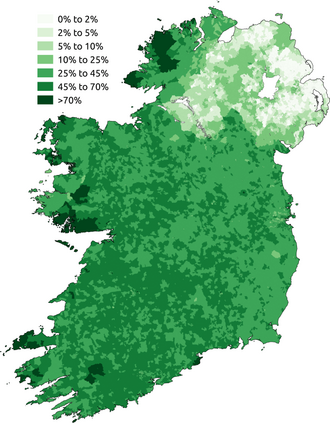
The Aran Islands (Inis Mór, Inis Meáin and Inis Oírr) are part of the Gaeltacht — areas where Irish (Gaeilge) remains an important part of daily life. Even if most locals also speak English, using a simple Irish phrase signals goodwill and respect. It can open conversations, help at small businesses and craft stalls, and enrich your guided Aran Islands day trips from Doolin by connecting you more closely with island culture.
Quick pronunciation tips: the sounds tourists should know
Irish spelling often looks unfamiliar to English speakers, but simple cues will help. Below are a few practical pronunciation notes before the phrase lists.
- Vowels: a = “ah”, e = “eh”, i = “ih”, o = “oh”, u = “oo” in many cases; combinations can vary.
- dh / gh: often a soft guttural or voiced sound like a gentle “gh” or a light “y” — use a softer sound if you are unsure.
- mh / bh: usually a “v” or “w” sound depending on position. Write the simplified cue we give and say it slowly.
- Stress: usually on the first syllable. Speak clearly and slowly — islanders appreciate the attempt even if your accent is off.
- Listen: use a pronunciation app or quick audio clips before you go. Hearing the phrases twice or three times helps far more than memorizing spellings.
Essential greetings & pleasantries to use on the islands
These are the handful of phrases that will serve you in nearly every interaction.
Hello
Dia dhuit — (DEE-uh ghwitch). A friendly “hello” to one person. Reply: Dia is Muire dhuit — (DEE-uh iss MWIR-eh ghwitch).
Thank you
Go raibh maith agat — (guh rev mah a-GUT). A simple and very useful phrase after a meal, a purchase, or someone helping you with directions.
Please
Le do thoil — (leh duh HULL). Use this when ordering or asking for anything politely.
Goodbye
Slán — (slawn). A common, short way to say goodbye. For “see you later” you might hear Slán go fóill (slawn guh FO-il).
Excuse me / Sorry
Gabh mo leithscéal — (goh muh leh-SHKAYL). Useful in crowded boats, cafes, and on narrow island lanes.
Useful travel and directions phrases for ferries, boarding, and asking where things are
Boat travel, short walks and small piers are part of island life. These phrases will help when finding the ferry, confirming boarding or asking for facilities.
- Cá bhfuil an bád? — (KAW will on BAWD) — “Where is the boat?” Useful at small piers.
- An bhfuil ár mbád fós anseo? — (un will awr bawd fohs AN-shuh) — “Is our boat still here?” Good to check with crew or guides; always also check current official information for departures and boarding rules.
- Cá bhfuil an ionad turasóireachta? — (KAW will on IN-ud TOUR-uh-hockt-uh) — “Where is the tourist office/information?”
- Cá bhfuil an leithreas? — (KAW will on LYOR-us) — “Where is the restroom?”
- An féidir leat cabhrú liom? — (un FAY-der lat KAW-roo lyum) — “Can you help me?” Use for directions, getting on/off the ferry, or finding a guide.
Ordering food, drinks and handling basic transactions
Cafes, pubs and craft stalls on the islands are relaxed places where a few polite phrases go a long way.
- Ba mhaith liom… — (buh WAH lum) — “I would like…” Follow with the item: Ba mhaith liom cupán tae, le do thoil — “I’d like a cup of tea, please.”
- Cé mhéad é? — (KAY vyed ay) — “How much is it?” Useful at market stalls and craft shops. Also ask in English if needed.
- An féidir íoc le cárta? — (un FAY-der eek le KAR-tuh) — “Can I pay by card?” Many island businesses prefer cash — check before you assume.
- Sláinte — (SLAHN-chuh) — a toast when enjoying a drink with locals. It means “health” and is widely used in both Irish and English contexts.
Politeness, local courtesy and emergency phrases
Showing respect matters: speak softly in quiet island spots, ask before photographing people, and use a greeting or simple thanks when you enter a shop or pub.
- Gabh mo leithscéal — (goh muh leh-SHKAYL) — “Excuse me / sorry.” Use when you need to pass someone on a narrow lane or when interrupting.
- Le do thoil — (leh duh HULL) — “Please.” The small word that smooths many exchanges.
- Gabh mo bhuíochas — (goh muh VOO-uh-kuss) — “Accept my thanks” or a heartfelt thank-you variant.
- Cabhair! — (KAH-heer) — “Help!” Short, direct. Use loudly in an emergency, and also call for help in English if you’re in doubt about response times.
- Tá mé i dtrioblóid — (taw may ih dree-uh-BLOHD) — “I’m in trouble.” If you need urgent help, say this and then ask for “Garda” (the police) or medical help. Always check current local emergency procedures on the islands and Doolin before you travel.
Practical tips for practicing before you go and using phrases on guided Aran Islands day trips from Doolin
Practicing aloud and listening to native speakers will make your phrases sound more natural.
- Listen to short audio clips: search for basic Irish phrases and repeat them aloud. Two or three repetitions a day before your trip builds confidence.
- Practice with your travel companions: a few role-play exchanges on the ferry or in a cafe will make it easier to use phrases in real life.
- Use phrases sparingly and sincerely: a simple “Go raibh maith agat” after a conversation or a purchase is better than overusing phrases you don’t mean.
- Let guides help: your Doolin-based guide on Aran Islands tours can model local pronunciation and correct gentle mistakes — ask them to teach you one or two core lines.
- Bring a quick cheat-sheet: write three or four phrases you want to use, with phonetics, on a small card in your pocket.
For cultural attractions, walking routes and evening activities on the Clare coast, you might also enjoy planning a night-sky stop after your island return — see Evening Stargazing Spots Near the Cliffs of Moher — A Visitor’s Guide for ideas. If you want more on island culture before you arrive, read Aran Islands Island-Hopping Cultural Highlights: A Visitor’s Guide from Doolin and Aran Islands Cultural Sites from Doolin — Visitor’s Cultural Guide to tie language to places. For an overnight stay in Doolin before or after your trip, check Doolin guesthouses for music and sea views — a visitor’s stay guide for Cliffs of Moher, and for local gift ideas, see County Clare artisan craft shopping near the Cliffs — Doolin-area visitor guide.
Plan your Aran Islands day trip from Doolin
If you prefer a more personalised experience, consider private or group tours tailored to small groups and language-focused experiences: Private or group tours available. Check with tour providers for current options and to confirm what is included.
FAQ
Do people on the Aran Islands still speak Irish (Gaelic), and will locals understand these phrases?
Yes — the Aran Islands are part of the Gaeltacht and Irish remains important in daily life. Many islanders are bilingual, and simple phrases are generally understood and appreciated. Use English if needed; the goal is connection, not perfection.
Will using a few Gaelic phrases make a difference when I’m on a day trip from Doolin?
Absolutely. Even short phrases like “Dia dhuit” or “Go raibh maith agat” show respect and can spark friendly conversation. Islanders often welcome the effort, which can enrich your visit, photo stops and conversations on guided trips.
How can I learn correct pronunciation quickly before my trip?
Use short audio clips from language apps or websites, repeat phrases aloud, and practice with a travel partner. Ask your tour operator or guide in Doolin to demonstrate — live practice on the ferry or at a cafe is one of the fastest ways to improve.
Are there particular phrases I should avoid or be careful with culturally?
Avoid imitating or mocking accents, and don’t use Irish phrases jokingly. If a phrase has multiple meanings or you’re unsure, keep it simple and polite. When in doubt, a warm smile, “please” and “thank you” in English or Irish will always be welcome. Also, check current local advice about photography or access to private sites before photographing people or private property.