
Aran Islands food & local produce experiences — from Doolin
If you’re staying in Doolin and want to add an authentic Aran Islands food and local-produce experience to a day trip, this guide focuses on practical choices: how to reach the islands, where to taste the freshest seafood, dairy and baked goods, options for guided food-focused walks or market stops, what to pack, and how to combine culinary discovery with a visit to the Cliffs of Moher. The aim is to give Doolin-based visitors clear actions they can take to enjoy island flavours while respecting local producers and schedules.
Book Doolin & Aran Islands tours — plan your culinary day trip
Why the Aran Islands matter for food lovers visiting from Doolin
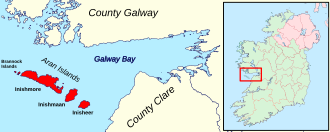
The Aran Islands—Inis Mór, Inis Meáin and Inis Oírr—sit at the edge of the Atlantic where the sea, limestone soil and island grazing shape distinct flavours. For day-trippers based in Doolin the islands offer direct access to seafood landed hours earlier, butter and cheeses from small dairy producers, and a baking tradition centred on soda breads and island cakes. Island kitchens are small and seasonal, so tasting here is about simple, intensely local food rather than elaborate dining.
Planning a food-focused day trip from Doolin: boat access, timing and what to bring
Boat access and choosing your landing
Most visitors travel to the Aran Islands by ferry from Doolin Harbour. Check current services and landing locations before you go: schedules and vessel types vary by season and weather. Decide in advance whether you want to land on Inis Oírr (closest and compact), Inis Meáin (more private and craft-focused) or Inis Mór (largest, with more cafés and producers). If you plan to combine with the Cliffs of Moher visit, allow flexibility for sea conditions and travel time.
Timing: how much food-focused time to plan
A typical food-focused stop on an island can be as short as 60–90 minutes for harbour stalls and a café, or a half-day if you want a guided tasting, a farm visit or to join a village meal. Factor in ferry crossing time, wandering between producers, and any guided experiences. Always check the latest ferry timetable and producer opening days—many island businesses operate seasonally or close midweek.
What to pack
Bring a small daypack, water bottle, weatherproof layer and comfortable shoes for uneven paths. Pack insulated bags if you intend to buy chilled dairy or seafood to take off the island (check transport rules). Carry a reusable bag for baked goods and crafts, and bring a small amount of cash as some stalls and smaller cafés may prefer it—though card acceptance is increasingly common.
Where to taste local produce on the islands: cafés, pubs, harbour stalls and seasonal markets
Each island has a harbour area where you can often taste freshly landed seafood from casual stalls or small cafés. Pubs are cultural hubs and often serve hearty plates—seafood chowders, simple fried fish, and local breads—alongside music. Inis Mór features more options for visitors looking for a variety of cafés and artisan stalls, while Inis Meáin can be quieter but rewarding for finding hand-crafted products and small-batch foods. Seasonal markets and village pop-ups appear during festival weeks—check the Doolin Annual Cultural Events Calendar — Plan Your Visit for related events and timing.
Combine a food stop with cultural activities: traditional textiles workshops are offered from Doolin and sometimes include island craft markets, which can add context to the food you taste. See How to Experience Aran Islands Traditional Textiles Workshops from Doolin for pairing ideas.
Types of food experiences to look for
Guided tastings and food walks
Guided tastings and local food walks are an efficient way to meet producers and sample several items in one go. These may be run by island-based guides who can point out sourcing, seasonality and traditional preparation methods. Look for experiences that combine stories—seaweed foraging, turf-cutting history—with tastings for a richer context.
Seafood sampling and harbour stalls
Harbour stalls often sell the simplest expressions of island seafood: freshly cooked crab, langoustine, smoked fish and shellfish. Try small portions at the pier or take items back to a café for a fuller meal. If you plan to eat raw or lightly cooked seafood, ask about how recently it was landed and how it was handled.
Farm visits and dairy tasting
Some islands have small dairies or family farms producing butter, farmhouse cheese and yoghurt. Farm visits offer the chance to taste products where they are made and to ask producers about milking and feed practices. These experiences are usually small-scale—book ahead and check availability.
Informal village feasts and pub suppers
Pubs and community centres may host informal suppers or island feasts during special weeks and festivals. These events are communal and often feature multiple local dishes prepared by residents. If you’re visiting during an event listed on the Doolin Annual Cultural Events Calendar, check whether any island suppers are running and how to join.
Seasonal produce and typical island flavours
Island food is remarkably seasonal. Spring and early summer bring rich dairy and tender new baked goods; summer is best for a wide range of seafood and small pop-up markets; autumn concentrates on preserved foods, shellfish and fall baking. Expect four broad flavour categories:
- Seafood: freshly landed fish, shellfish and smoked fish—often simple preparations to highlight the catch.
- Dairy: small-batch butter, farmhouse cheeses and cultured dairy, with distinct grass-fed character from island grazing.
- Baking: soda breads, wheaten breads and sweet tea breads; bakeries and cafés focus on rustic loaves and handheld treats.
- Sea greens and foraged items: seaweed salads, kelp condiments and wild herbs used in traditional recipes.
Because island producers depend on small runs and seasonal labour, availability changes quickly—always check current opening days and availability before you travel.
Practical tips
Dietary needs
If you have dietary requirements—vegetarian, vegan, gluten-free, allergies—contact cafés or producers in advance where possible. Many island dishes are naturally gluten-free (seafood, dairy) but cross-contamination is possible in small kitchens. Ask your server about ingredients and preparation methods.
Buying and transporting produce
When buying fresh seafood or chilled dairy to transport back to Doolin, pack items into an insulated bag with ice packs to keep them safe. If you plan to bring food onto the mainland or through transport hubs, check any rules around transporting perishable goods and be mindful of food safety.
Cash, cards and checking opening days
Bring a small amount of cash for stalls and smaller vendors; many cafés and pubs accept card but connectivity can be patchy. Check opening days and availability directly with producers or local visitor information—many island businesses change hours seasonally or close for weather and events.
Sample food-focused day-trip itinerary from Doolin (suggested stops and pacing)
This sample itinerary is flexible—use it as a template rather than a fixed schedule. Check ferry options and producer opening days before you go.
- Depart Doolin Harbour and arrive at your chosen island. Walk the short route to the harbour cafés to sample a small seafood plate and island bread.
- Visit a harbour stall or fishmonger for a takeaway tasting portion—crab or smoked fish—to try on the cliffs or in a sheltered spot.
- Join a short guided food walk or visit a farm/dairy if available. If not, pop into a village café for a buttered soda bread with farmhouse butter and a hot drink.
- Explore a craft shop or gallery—combine food and craft discovery by visiting the Doolin Village Craft & Gallery Guide or the islands’ own studios, often open during festival weeks.
- Before returning, enjoy a final pub plate—seafood chowder or a local speciality—then head back to Doolin where you can continue with Cliffs of Moher views or nearby experiences like Doolin Harbour Kayaking & Small-Boat Experiences.
Responsible tourism: supporting local producers and leaving a positive footprint
Support island economies by buying directly from producers, respecting portion limits in high-demand spots, and leaving no litter. Ask before photographing private farms or producers at work, and consider small purchases rather than souvenirs of dubious origin. If you use a guided experience, choose operators who pay local guides fairly and contribute to community resilience.
Book Doolin & Aran Islands tours — plan your culinary day trip For private or group options, consider private tours and customised food-focused experiences through our group booking channel at Book Doolin & Aran Islands tours — plan your culinary day trip (contact us to discuss availability and special requests).
FAQ
Can I enjoy Aran Islands food experiences as a day trip from Doolin?
Yes. Many visitors from Doolin make a day trip to one of the Aran Islands and enjoy harbour stalls, cafés and pubs offering local seafood, dairy and baked goods. Plan for ferry crossings, check producer opening days, and leave flexibility for weather.
Are there guided food or tasting tours available on the Aran Islands?
Guided food walks and tastings are available at times, often run by local guides or producers. Availability is seasonal and can be limited; book in advance where possible and verify details before departure.
Can I buy island produce to take home and are there restrictions?
You can buy many island products to take home. For perishable items like seafood or fresh dairy, use an insulated bag and ice packs and check any transport or customs rules that may apply. Always ask the vendor about storage and recommended consumption timelines.
What should I do if I have dietary restrictions while visiting island cafés and pubs?
Contact cafés or pubs before you visit when possible, or speak to staff on arrival to explain your needs. Small kitchens can often adapt dishes, but choices may be limited by available ingredients. Bringing snacks as a backup is a practical precaution.