
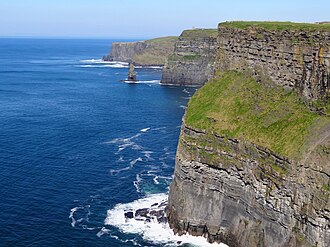
Best Cliffs of Moher Tour for Photographers: Timing, Viewpoints & Tips
Best Cliffs of Moher Tour for Photographers: Timing, Viewpoints & Tips
The Cliffs of Moher are one of Ireland’s most photogenic coastal landscapes, but getting memorable photos requires planning: the right light, the right viewpoints, and a tour style that lets you stop and compose. This guide explains how to choose the best Cliffs of Moher tour for photographers, what to pack, where to shoot, and how to stay safe and considerate while you work.
Book the best Cliffs of Moher tour for photographers — look for options that advertise photo stops, flexible itineraries or small-group space so you have time to set up shots without feeling rushed.
Why choose a photography-focused Cliffs of Moher tour?
Not all tours are created equal for photographers. Standard day trips may prioritize itinerary efficiency and include many non-photography stops. A photography-focused tour, by contrast, prioritizes time at key viewpoints, flexible stop durations and routing that considers the sun’s angle during golden and blue hours.
These tours often run with smaller groups or offer private options, so you can set up a tripod, wait for the right light, and reposition without holding up a large coach. If you’re traveling with family, you can also combine photography priorities with safer, more accessible routes—see our family-focused tips in the Cliffs of Moher with Kids guide for safety and planning ideas.
When to visit: light, seasons and crowd considerations
Light is the primary variable for photography. Golden hour (shortly after sunrise and just before sunset) produces warm, directional light that brings out texture in the cliff face and enhances ocean color. Midday can work for moody, high-contrast shots when combined with dramatic skies.
Season affects more than temperature: spring and early summer offer longer daylight hours and nesting seabirds, while late autumn and winter provide stormier skies and fewer visitors. Weather can change quickly; always check current official information about access and conditions before you go.
Crowds follow daylight patterns: mornings and late afternoons tend to be calmer than mid-morning to mid-afternoon. If your schedule is flexible, consider a tour that targets off-peak hours or includes early starts or late returns for golden-hour access.
Top viewpoints and angles for iconic and less-common shots
The Visitor Centre and Main Promenade
The main promenade gives classic wide-angle views of the cliffs and the Aran Islands on clear days. It’s the most accessible location and a good place to test compositions before moving to less crowded spots.
Hag’s Head and the southern approaches
Hag’s Head offers dramatic foregrounds and a different, slightly curved perspective of the cliff line. The geological features here create opportunities for layered compositions with rock in the foreground and the sea beyond.
Viewpoints to the north: less-common angles
Walking north along the coastal path reveals quieter promontories and vertical cliff faces that are framed well with longer lenses. These angles let you isolate sea stacks and nesting puffins during season, and they’re perfect for moody telephoto compositions.
Vertical and abstract details
Don’t forget the abstract shots: zoom in on stratification, grassy ledges, and tidal textures. These details work well in low light or when the horizon is washed out, and they add variety to a portfolio dominated by wide panoramas.
Tour styles that work best for photographers
Choosing the best cliffs of moher tour for your needs means matching tour style to your shooting approach.
Small-group tours
Small groups (often under 15 people) usually allow more flexible stops and quicker repositioning between shots. They balance social interaction with the space photographers need to work.
Private tours
Private tours are ideal if you need full control over timing, light and stop durations. They can be arranged to target sunrise or sunset, and they avoid the constraint of coach schedules. If a private option interests you, inquire about private or group tours when booking to confirm photo-specific flexibility.
Flexible, photography-focused itineraries
Some operators offer itineraries designed for photographers, with scheduled golden-hour visits and planned viewpoints. Ask whether the tour advertises photo stops and how much time is allocated at each location.
Practical gear and packing checklist for cliffside photography
Pack thoughtfully: the cliffs can be windy, wet and changeable.
- Camera with weather-sealed body or protective cover
- Wide-angle lens for panoramas and a telephoto for isolating details and wildlife
- Sturdy, compact tripod with low center of gravity or a ground-level option for windy conditions
- Lens cloths, cleaning kit and a weather cover for electronics
- Neutral density filters and a polarizer for long exposures and glare reduction
- Spare batteries and memory cards — cold and wind drain power faster
- Comfortable, waterproof footwear and layered clothing
- Small backpack or camera bag with rain protection and quick-access pockets
Adjust gear choices to the light you expect to shoot in. If you anticipate long exposures at dusk, prioritize a strong tripod and ND filters. If wildlife is a goal, include a longer lens and a fast autofocus setup.
Safety, etiquette and weather planning
Safety is non-negotiable at cliff edges. Strong winds, wet surfaces and unstable ground make positioning important. Stay on marked paths, heed any local signage and check current official information about access points and closures before you travel.
Respect wildlife and other visitors: keep distance from nesting birds, avoid blocking paths, and be considerate when taking up space for a tripod. If you’re on a group tour, coordinate with the guide about where tripods can be set up so everyone has a chance to shoot.
Weather at the Cliffs of Moher changes fast; carry waterproof protection for yourself and your gear, and be prepared to adapt your shooting plan if conditions deteriorate. Check current official information and local forecasts on the day of your visit.
Booking tips: what to ask tour providers about photo stops, group size and flexibility
When you contact a tour operator, ask specific questions to determine whether a tour is photographer-friendly:
- Do you allow extra time at viewpoints for photography? How long are typical stops?
- What is the typical group size on this tour? Is there a smaller or private option?
- Can the itinerary be adjusted for sunrise or sunset, or for unexpected good light?
- Are tripods permitted on the tour and at the main viewpoints? (Also confirm any local restrictions or guidance.)
- Does the guide have experience with photographers and can they suggest compositions or safe shooting positions?
Clear communication before booking prevents disappointment on site. If you’re traveling with family, consult resources such as the Cliffs of Moher Tours: How to Choose the Best Day Trip to balance photography goals with other itinerary needs.
Ready to plan your shoot? Book the best Cliffs of Moher tour for photographers now to secure a slot on a tour that supports photo stops and flexible timing. For full control of your schedule and light, consider a private option: book a private or group tour that caters to photographers.
FAQ
What time of day is best for photographing the Cliffs of Moher?
Golden hour—shortly after sunrise and just before sunset—generally offers the best light for texture, color and mood. Early morning can also mean fewer visitors. Midday can produce dramatic scenes under stormy skies. Check current official information and local weather forecasts for the day you plan to shoot.
Are there tours that include extended photo stops or golden‑hour visits?
Yes. Some operators advertise photography-focused itineraries or offer private tours that target golden hour and provide extended stops. When booking, ask the provider directly whether photo-specific timing and longer stops are included.
Can I use a tripod on Cliffs of Moher tours and at main viewpoints?
Tripod policies vary by tour and location. Many small-group and private tours permit tripods, but you should confirm with the tour operator and respect any site-specific guidance. Always prioritize safety and avoid placing tripods where they block paths or risk falling.
How can I avoid crowds and still get great photos of the cliffs?
Visit during off-peak times (early morning or late afternoon), choose less popular vantage points to the north or south of the main promenade, or book a small-group or private tour that specifically schedules quieter access. Planning and flexibility are key—check the latest local information before you go.