
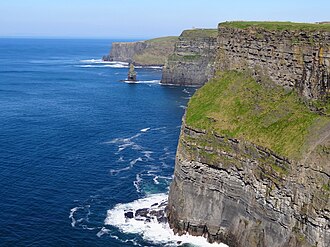
Cliffs of Moher: When to Visit to Avoid Peak Crowds — Practical Timing Tips
The Cliffs of Moher are one of Ireland’s most visited natural attractions, and the timing of your visit can make a dramatic difference to safety, photo opportunities and the quality of the whole experience. This practical guide explains how to plan arrival windows, choose days and seasons, use guided tours and organised transport, and prepare for weather changes so you spend less time in queues and more time enjoying the cliffs.
Plan your visit and book a guided tour to better time your Cliffs of Moher experience — guided departures, timed groups and knowledge of local routing often cut waiting time and help you see the best viewpoints when they are quieter.
Why timing your visit matters
Crowds change how you experience the Cliffs of Moher. Large groups gather at the most famous vantage points, walk paths narrow, and key viewpoints can be full for long stretches. Timing affects more than comfort: it also affects safety (slippery paths and crowded railings), photography (fewer people in the frame) and your ability to move between viewpoints without backtracking.
Good timing also means you can plan around weather windows that offer clearer visibility of the Aran Islands and Liscannor Bay panoramas, or avoid periods when visibility is poor and the coastal swell makes shore observations limited. Check local advice such as the Cliffs of Moher: Tide & Coastal Swell Guide for Shore Observations when planning coastal viewpoints.
Best times of day and days of the week to reduce crowds
There are no fixed schedules that guarantee solitude, but a few consistent patterns can help you avoid peak times.
Early morning
Arriving before mid-morning often yields the quietest conditions. Early arrivals encounter fewer coach groups and commercial tour rotations, and the first light can offer crisp views and good photo contrast. However, daylight and visibility vary by season and weather — bring layers and allow time for fog to clear.
Late afternoon and early evening
After mid-afternoon coach arrivals taper off, and the last two hours before sunset frequently quieten. Late afternoon light can be beautiful for panoramas, but be aware that reduced daylight shortens how long you can safely explore walking routes.
Weekdays over weekends
Weekdays typically have fewer visitors than weekends, with Tuesday to Thursday often quieter than Monday or Friday. Where possible, avoid public holidays and bank holiday weekends when regional traffic and coach schedules peak.
Seasonal patterns and what to expect
Seasonality affects both visitor numbers and weather patterns. Rather than relying on specific dates, use general seasonal expectations to plan.
High season tendencies
In times of high tourism demand, the visitor centre car park and coach drop-off areas fill faster and queues for the main viewing paths grow. Popular viewpoints and short trails attract most of the traffic, so if you visit in a busy season give extra time for approach and parking.
Quieter periods
Shoulder seasons and quieter months see fewer organised coach groups. If you prefer a slower pace and more space, these periods typically offer a better chance of quieter viewpoints — but always check daylight hours and weather conditions before committing to a long walk.
Weather, daylight and visibility: planning around conditions
Weather changes fast on the west coast, and poor conditions can both reduce crowds and limit what you see. Match your priorities — crowds, photos, safe walking — to likely weather windows.
Visibility matters more than calm weather
A calm but misty morning can mean low crowds yet poor views; a breezy, clear day will often attract more visitors because the views are rewarding. If your priority is clear vistas (for example to see the Aran Islands skyline), keep an eye on visibility forecasts and the best Doolin viewpoints and timing for skyline chances.
Daylight and safety
Short winter daylight reduces the time available for exploration. Plan shorter visits or focus on a small number of highlights when daylight is limited, and avoid relying on unlit paths after dark.
How guided tours, timed-group visits and organised transport can help
Guided tours can be one of the most reliable ways to reduce time spent in queues. Tour operators often plan arrival windows to avoid the largest coach clusters, and guides know where to go when and how to route groups to quieter viewpoints.
Organised transport reduces stress about parking and drop-offs; for practical parking and coach drop-off information check the Doolin short-term parking and coach drop-off guide. If you are driving, consider staggering your route with scenic stops — the best coastal drive stopovers between Galway and Doolin can break up travel and avoid peak arrival times at the cliffs.
Arrival and on-site timing strategies
Small adjustments at the arrival stage can reduce time in crowds significantly.
Staggered arrival windows
Rather than arriving at the same hour as most coaches, aim for a 30–90 minute offset. If coaches commonly arrive mid-morning, aim earlier or later. Ask your tour operator about typical coach schedules and planned arrival windows.
Quick-route tips and where to pause
Identify a primary viewpoint you want to see first and head there directly; many visitors linger at the first accessible viewpoint, which makes later spots quieter. Use less popular vantage points like those on the Liscannor Bay side for wide panoramas — see suggested viewpoints in the Liscannor Bay viewing points guide.
If your aim is photography, plan short stints at the busiest overlooks and move to secondary locations for more relaxed frames.
Contingency planning: what to do if conditions or coach schedules change
Flexibility is essential. Weather, road incidents and coach timing can alter your plans. Have backup options for both timing and location so a change doesn’t mean a wasted trip.
Check official, current information
Before you go and on the day, verify park status, path closures and transport notices via official sources. Local operator updates and the Cliffs of Moher visitor information channels will have the most current closures or access advisories.
Alternate viewpoints and activities
If the main viewing area is unexpectedly crowded or closed, use alternative stops on your itinerary: nearby coastal viewpoints, shorter walks along different sections or a scenic drive with stopovers. The coastal stops between Galway and Doolin are good fallback options for scenic panoramas and lesser crowds.
Quick timing checklist: before you go and on the day
- Check official visitor information for closures or access changes.
- Look at weather forecasts, visibility outlooks and tide/swell guidance if you plan shore observations.
- Decide whether early morning or late afternoon fits your priorities (views vs daylight vs crowds).
- Consider booking a guided tour or organised transport to reduce parking and queuing concerns.
- Plan a staggered arrival window — 30–90 minutes earlier or later than expected coach peak.
- Identify one primary and two secondary viewpoints so you can move if one is crowded.
- Dress in layers and bring waterproofs; Irish coastal weather can change quickly.
- Have a contingency plan using nearby stops (parking and drop-off guides can help).
Plan your visit and book a guided tour to better time your Cliffs of Moher experience. If you prefer a more private pace, consider private or small-group tours tailored to quieter arrival times and personalised routing to the best viewpoints.
FAQ
What time of day is usually least crowded at the Cliffs of Moher?
Early morning before mid-morning is usually the least crowded, followed by late afternoon and the hour or two before sunset. Weekday mornings outside peak tourist season are often the quietest. Always check daylight and weather; in gloomier months an early start may have limited visibility.
Do guided tours help me avoid peak crowds and long waits?
Yes. Many guided tours schedule arrivals to avoid the busiest coach windows and direct groups to quieter viewpoints. They also remove parking and routing concerns, which can shave time off your visit. Confirm with your operator how they time their stops and whether they offer smaller or timed groups.
Can poor weather actually mean fewer visitors, and should I plan for that?
Poor weather tends to reduce visitor numbers, but it can also reduce visibility and create unsafe conditions on exposed paths. If your priority is fewer people, a marginal weather day might work — but if clear views are essential, aim for a day with good visibility and be ready to adapt if conditions change.
If I want photos without people, what timing strategies work best?
Aim for earliest daylight before coaches arrive, or the last hour before sunset for softer light and fewer visitors. Move away from the main lookout points to secondary vantage areas, and use staggered arrival to avoid clusters. Combining a guided or private tour with an offset arrival window increases your chances of crowd-free frames.