
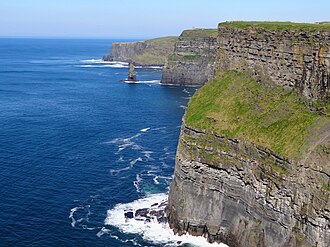
Planning a Galway to Cliffs of Moher tour is mostly about practical choices on the day: how you will travel, how weather and daylight affect your visit, what to wear and carry, and how much time to allow at the site. This guide focuses on those on-the-day logistics so you can leave Galway with confidence and enjoy the cliffs without last-minute surprises. Always check current official information and weather forecasts before you travel.
Plan and book your Galway to Cliffs of Moher tour
What to expect on a trip from Galway to the Cliffs of Moher
The Cliffs of Moher are a high-exposure, coastal attraction with dramatic views, open walking areas and a visitor centre at the main access point. A visit from Galway is a straightforward excursion but realities on the ground matter: coastal winds, variable visibility, and seasonal visitor numbers can affect how much you see and how comfortable the visit is.
Most visitors combine a visit with brief walks along the cliff path, a stop in the visitor centre for facilities and interpretation, and time at a few viewpoints such as the main viewing area near the centre. If photography is a priority, consider timing and light; if children or people with limited mobility are in your group, plan around easier access points and shorter walking routes.
Transport options explained
Guided day tours from Galway
Guided tours are the simplest choice for many visitors. They usually include round-trip transport from a central Galway meeting point and a pre-set time at the cliffs. Pros: no driving, a driver familiar with local roads, and a schedule that typically includes a set visit length. Cons: less flexibility on time at the cliffs and fewer opportunities for detours or extended photography stops. If you prefer a structured, hassle-free day, a guided tour is worth considering.
Public buses
Public bus services link Galway to the west Clare area and may stop near the Cliffs of Moher or allow connections to local transport. Pros: cost-effective and independent. Cons: schedules can be limited, and services may not align with ideal daylight or weather windows. If you choose public transport, check current timetables and plan buffer time for connections.
Car hire and self-drive
Driving yourself gives maximum flexibility to set your own pace, select viewpoints, and combine other local stops. Pros: control over departure and return times, freedom to explore nearby towns and viewpoints. Cons: parking can be busy in peak season and coastal roads may be narrow; you’ll need to factor in parking arrangements at the visitor centre or designated car parks. If you self-drive, allow extra time for local traffic and parking queues, and check official visitor information for parking guidance.
Private transfers and chauffeur services
Private transfers are a middle ground between guided tours and self-drive. They provide door-to-door transport and can be tailored to your group’s timing and interests. Pros: privacy, schedule flexibility, often comfortable vehicles. Cons: higher cost than group tours or public buses. For groups or those with limited time, private transfers can make a lot of sense.
Timing, weather and best-visit windows
Coastal weather changes rapidly. Clear morning light can turn to fog and strong winds within hours. Seasonal daylight differences matter: longer days in summer give more flexibility; shorter winter days mean you should plan around limited daylight hours. For photographers, golden hours offer dramatic light but coincide with fewer visitors at sunrise or sunset only if you can arrive early or stay late.
Because conditions change, always check current weather forecasts and official site updates on the day of travel. If high winds or poor visibility are forecast, views may be reduced and some walking areas may be less comfortable. If you have a single day to visit, choose the part of the day when the forecast is most favorable for visibility and wind speed.
How long to spend at the Cliffs and simple ways to structure your day
Deciding how long to spend depends on your priorities: a quick visit focuses on the main viewing platform and the visitor centre; a more relaxed visit allows for walking further along the cliff path and time to explore O’Brien’s Tower viewpoints. As a rule of thumb, build in extra time for travel, parking, and unpredictable weather so you’re not rushed.
Simple day-structure options:
- Short visit: Arrive, visit the visitor centre, walk to the main viewpoint, take photos, return. Good for tight schedules or family groups with limited walking.
- Standard visit: Visitor centre, main viewpoint, walk a section of the cliff path in both directions, pause for a longer photography session or picnic.
- Extended visit: Add a guided walk, extra viewpoint stops, or combine with a nearby village visit. Best if you have flexibility and a whole day available.
If you’re traveling from Galway on a guided tour, check the itinerary and ask how long the tour allows at the cliffs so you can manage expectations. For independent visitors, factor in access to the visitor centre services, restroom breaks, and any café queues when planning your time.
Packing, clothing and safety essentials for an outdoor coastal visit
Pack for wind, rain and sun—often all three in one day. Key items to bring:
- Layered clothing and a warm, windproof outer shell. Even on mild days the wind can be cold at cliff level.
- Waterproof footwear with good grip for uneven and potentially muddy paths.
- Water bottle and snacks—on-site options exist but queues and opening arrangements can vary.
- Sun protection: hat, sunscreen and sunglasses for bright days with reflective sea glare.
- Camera, binoculars or a phone with extra battery/charger if photography or birdwatching is important.
- Small first-aid items and any necessary medication. Mobile signal can be variable in coastal areas.
For safety: stay on designated paths and behind barriers where provided. Coastal edges are inherently dangerous; keep children and pets supervised and check any official advice or notices at the visitor centre before you walk.
Accessibility, visitor facilities and mobility considerations
The main visitor centre and the primary viewing areas provide the most accessible routes, but terrain along some cliff paths is uneven and can include steps, gravel and exposed areas. If mobility is a concern, plan to use the areas closest to the visitor centre and ask staff about accessible routes and facilities when you arrive.
Visitor centres typically offer restrooms, interpretive displays and indoor spaces where you can shelter from wind and rain. For families, the site is manageable with children but keep them close near cliff edges and busy viewpoints—see our family-friendly advice in the Cliffs of Moher with Kids guide linked below.
If you use a mobility aid or have specific mobility requirements, contact official visitor services ahead of your visit to confirm current access arrangements and parking options. Accessibility features and policies can change, so checking current official information is important.
Safety, checkpoints and practical on-site advice
On arrival at the visitor centre you will usually find signage about permitted paths and areas that are closed for safety or conservation. Follow posted instructions and any guidance from staff. Coastal weather warnings or maintenance work can alter access on short notice.
Keep valuables secure and aware of wind when using tripods or holding loose items near edges. Respect wildlife and nesting areas—disturbance to birds may be restricted at certain times of year and pathways may be temporarily adjusted for conservation reasons.
On-the-day checklist and booking advice — what to confirm before you leave Galway
- Verify transport bookings, meeting points and pick-up times for tours or transfers.
- Check current official visitor information and weather forecasts for the Cliffs of Moher specifically.
- Confirm parking arrangements or bus drop-off points if driving or taking public transport.
- Pack layered clothing, waterproofs and appropriate footwear. Charge devices and bring power banks if needed.
- Allow flexibility in your schedule for delays, photography stops and weather changes.
- If accessibility is needed, contact visitor services ahead of time to confirm arrangements.
For help choosing the right style of trip, whether you want a flexible independent day or a guided experience, read our guide on how to choose the best Cliffs of Moher tours and the photographer-focused tips if your priority is imagery. If you’re coming from Dublin instead of Galway, see our Dublin to Cliffs of Moher tour options and sample itinerary.
Plan and book your Galway to Cliffs of Moher tour
For groups, private transfers or tailored timing, consider booking a private tour option to match your schedule and interests. Private and group tours can help if you need door-to-door pickup, extra time for photography, or a family-friendly pace—visit the booking page to explore private tour options.
FAQ
What are the main transport options for getting from Galway to the Cliffs of Moher?
Main options are guided day tours, public buses, self-drive by hire car, and private transfers. Each has trade-offs between cost, flexibility and convenience. Check current timetables and tour itineraries before you book.
Should I join a guided tour from Galway or visit independently?
Choose a guided tour for ease—no driving, a fixed schedule and a driver who knows the route. Choose independent travel if you want flexibility to choose how much time you spend, visit additional local sites, or have special timing needs. Consider private transfers if you want tailored timing without driving yourself.
What should I pack and wear for a day trip to the Cliffs of Moher?
Wear layered clothing and a windproof, waterproof jacket. Sturdy, grippy footwear is important. Bring water, snacks, sun protection, a charged phone or camera, and a small first-aid kit. Check the weather forecast on the day and adjust accordingly.
Are the Cliffs of Moher accessible for visitors with limited mobility?
Primary visitor areas and the visitor centre offer the most accessible access, but some cliff paths are uneven and may be unsuitable for all mobility aids. Contact official visitor services before your visit to confirm current accessibility provisions and parking options.