
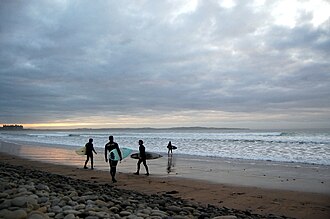
Hidden coves and shoreline near Doolin: a practical visitor guide
Few places combine dramatic sea cliffs, secret pebble coves and a living coastal culture like the shoreline around Doolin. This guide focuses on practical, visitor-focused advice for finding and safely enjoying lesser-known coves and shoreline stretches within easy reach of Doolin village — whether you plan a short on-foot excursion, a boat trip or a guided experience that complements a visit to the Cliffs of Moher.
Plan your Doolin coastal visit or book a guided Cliffs experience
Where to start from Doolin village: access points and simple route planning
Doolin is a compact base for exploring the nearby coastline. Start by familiarising yourself with the main access points: the harbour and the lanes leading from the village toward the shoreline. The best route depends on how much time you have and the terrain you prefer.
For a straightforward itinerary, follow the signposted lane to Doolin Pier for boat options and the coast path that heads north toward the Cliffs of Moher. If you prefer a guided walk or a family-friendly route, see our practical walk guide from Doolin to the Cliffs of Moher for step-by-step directions and helpful tips: Doolin to Cliffs of Moher Walk: Practical Guide from Doolin Village.
When planning routes, allow time for tidal checks and variable walking speeds. Paths can be narrow and uneven; plan routes that match your fitness and daylight available.
On-foot visits: tip-based walking routes, terrain and what to expect
Many of the most rewarding coves are reached on foot via short lanes and coastal paths. Expect a mix of grass paths, rocky tracks and occasional steps. Keep to marked paths where present and use natural saddles and gullies to descend to sheltered coves where permitted.
Short cove loop (1–2 hours)
From Doolin, walk toward the pier, then follow the shore north for a short loop that passes small pebble bays and rocky platforms. This type of route suits visitors looking for a brief taste of the coastline and easy photo stops.
Longer shoreline walk toward the Cliffs
For a fuller coastal day, continue on the cliff-top and coastal walking routes that run between Doolin and the main Cliffs of Moher visitor zone. These routes offer wide views, intermittent sheltered coves and plenty of natural stops. For detailed guidance on the coastal route and best viewpoints, consult the comprehensive coastal walk guide: Cliffs of Moher Coastal Walk: Routes, Safety & Best Viewpoints.
Expect changing surfaces and occasional sheep grazing; wear sturdy footwear with good grip and breathable layers against changeable weather.
Boat and guided options: choosing a short coastal trip vs independent exploration
Boat trips from Doolin are an excellent way to see hidden shoreline features that are difficult or unsafe to reach on foot. Short coastal trips can take you past sea stacks, small caves and remote beaches while keeping you dry and providing a local skipper’s insight.
If you want a combined experience—coastal perspective from the sea and time ashore—ask operators about landing permissions. Some coves are accessible only at certain states of the tide or with prior permission for landing.
Guided walks and boat-and-walk combos offer local knowledge about the geology and wildlife. For day trips that include island travel or wider coastal exploration, consider pairing a shoreline trip with a day to the Aran Islands; see planning notes here: Aran Islands day trip from Doolin — ferry info & planning tips.
Choosing between independent exploration and hiring a skipper depends on your comfort with rock-scrambling, tides, and uneven ground. If in doubt, local guides and skippers reduce risk and enrich the visit.
Safety and tidal awareness: shoreline hazards, footwear, and responsible timing
Coastal safety is the primary concern when visiting hidden coves. Wave size, swell, and rapid tide changes can make seemingly calm coves hazardous. Always check local tidal information before planning a shoreline visit and avoid approaching cliffs at high tide or in poor visibility.
Practical safety steps:
- Wear sturdy footwear with good grip; wet rocks are slippery.
- Carry a charged phone, a lightweight waterproof layer and a basic first-aid kit.
- Tell someone your route and expected return time if heading into remote shoreline areas.
- Avoid cliff edges and unstable ground; respect fences and signage.
- If using a boat, follow the skipper’s safety briefing and lifejacket instructions.
Weather and local conditions change. Always check current local information and the advice of boat operators or guides before you set out.
Wildlife, photography and low-impact visiting: how to enjoy without harming habitats
The coast near Doolin hosts seabirds, coastal plants and intertidal life. Viewing wildlife responsibly preserves the area for future visitors and supports conservation.
Wildlife and low-impact tips:
- Keep a respectful distance from nesting birds and seal haul-outs. Disturbance can have long-term effects on breeding success.
- When rock-pooling, replace stones you lift and avoid removing animals or shells from their habitats.
- Take all litter home, including food scraps that attract gulls and other wildlife.
- Use a telephoto lens for close-up wildlife shots rather than approaching animals.
For tips on capturing the best light and composition along the coast—including sunset techniques that work well from shoreline vantage points—see our photography guide: Cliffs of Moher Sunset Photography Tips — Capture the Perfect Shot.
Practical planning checklist: what to pack, who to contact, and checking current local info
Before you set out to explore hidden coves and shoreline near Doolin, use this checklist to prepare for a safe and enjoyable visit.
- Footwear: waterproof walking shoes or boots with good soles.
- Clothing: layered waterproof jacket, hat and windproof outer layer.
- Navigation: map or downloaded route on your phone plus a portable power bank.
- Safety kit: basic first aid, whistle, and waterproof bag for electronics.
- Respect: binoculars and a camera for distant wildlife viewing.
- Information: check tide tables, local weather forecasts and speak to boat operators or visitor centres for the latest advice.
If you are travelling with children, plan shorter routes and consult family-focused advice on facilities and itineraries: Visiting the Cliffs of Moher with Kids: Practical Family Itineraries & Facilities.
When in doubt, prioritise safety over reaching a particular cove — conditions change quickly on this coastline. Check current official information for access updates and seasonal guidance.
Plan your Doolin coastal visit or book a guided Cliffs experience
If you prefer a private or group guided option tailored to specific interests (photography, wildlife watching or family-friendly pacing), consider booking a local private tour for a more personalised experience: Private or group tours.
FAQ
How do I reach the hidden coves and shoreline from Doolin village?
Start from Doolin Pier or the main lanes out of the village and follow signposted coastal paths. Short coves are reached by established footpaths; larger or more remote shorelines may require longer walks along the cliff-top paths or a boat trip. For a detailed walking route from the village to the main Cliffs area, consult the Doolin to Cliffs of Moher walk guide linked above. Always plan routes with time to return before dark and check current local information.
Are the coves safe for swimming or rock-pooling?
Many coves are sheltered but can still have strong currents, unpredictable swell and cold water. Swimming is not generally recommended unless you are experienced in open-water conditions and have local advice. Rock-pooling is a low-impact way to explore intertidal life—do so carefully, avoid removing organisms, and replace any stones you lift. When considering entering the water, seek up-to-date local guidance and avoid swimming alone.
Should I hire a local boat or join a guided trip to explore the shoreline?
If you want to access sea-facing viewpoints, caves or remote coastline sections without the uncertainty of tides and landing access, a boat or guided trip is sensible. Skippers know local tides, landing spots and weather windows and add interpretive value. Independent explorers who stay on marked paths and check tides can enjoy many coves on foot, but a guide reduces uncertainty and increases safety for unfamiliar terrain.
What should I bring and how do I check tides and safety before visiting?
Bring sturdy footwear, layered waterproof clothing, a charged phone, power bank, and a basic first-aid kit. Pack binoculars for wildlife and a dry bag for electronics. Check tide tables and local weather forecasts online or ask local operators or visitor centres for the most current safety advice. Because conditions and access change, always verify official information before you go.