
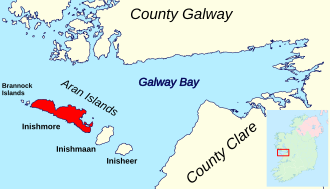
Inis Mór’s ancient forts are among Ireland’s most evocative archaeological sites: dramatic cliff-top stone rings, Bronze Age field systems and Bronze-to-Iron Age settlement traces set against the Atlantic spray. For visitors based in Doolin or coming from the Cliffs of Moher, a trip to the forts on Inis Mór (Inis Mór is the largest of the Aran Islands) is a compact, rewarding extension to your coastal itinerary — one that combines powerful views, archaeology and manageable walking.
Plan your visit and book Cliffs of Moher and Aran Islands tours to combine the best of the Cliffs with a guided or independent visit to Inis Mór’s forts.
Why visit Inis Mór’s ancient forts
The forts on Inis Mór are dry-stone defensive and ceremonial structures that survived centuries of weather and human activity. Sites such as Dún Aonghasa are not just ruins: they are landscapes in which people lived, farmed and navigated the edge of the Atlantic for millennia. The combination of thick stone ramparts, raised rings and cliff-perched locations makes these forts visually striking and archaeologically important.
Visiting the forts gives a sense of scale — the thick walls, the concentric defensive rings and the alignment of gates and pathways. They are also a photographer’s dream, with sea backdrops, dramatic light and the same wild Atlantic atmosphere that draws people to the nearby Cliffs of Moher. If you enjoyed panoramic viewpoints at the Cliffs, see our Cliffs of Moher sea stacks guide: best viewpoints & photo tips for complementary perspectives.
Getting there from Doolin and the Cliffs of Moher
Most visitors reach Inis Mór by ferry from Doolin — a short harbour transfer across the sound that runs frequently during the tourist season. Boats land at Kilronan on Inis Mór, where transport and walking routes begin. If you’re at the Cliffs of Moher, many visitors combine a cliff visit with a transfer to Doolin to catch ferries; check local transfer options and connections in advance.
Before you go, check current official information for ferry schedules, seasonal changes and any safety notices. Weather can affect crossings; if crossing is cancelled or delayed, operators will advise alternative plans. Practical points:
- Confirm your ferry operator and meeting point in Doolin; harbour access can be tight on busy days.
- Expect a short boat ride but plan for sea conditions — those prone to seasickness should bring remedies.
- On arrival at Kilronan, there are options for bicycle hire, local buses, taxis and walking routes depending on your itinerary.
Tour options vs independent exploration
There are two common approaches: book a guided day trip or explore independently. Guided options often include ferry transfers, a knowledgeable guide, highlights around the island and safety support. Independent travelers can hire bikes, use local taxis (known as island taxis), or walk between sites at their own pace.
Choose a guided trip if you want historical context, guaranteed transport arrangements and a timed route that fits a half-day or full-day schedule. Go independent if you prefer flexibility, longer photography stops or a quieter pace. Either way, check return ferry times and operator contacts on the day.
Key forts to visit
Dún Aonghasa
Dún Aonghasa is the island’s most famous stone fort: a massive, multiringed fort perched on a limestone cliff. The outer ramparts create a dramatic silhouette against the ocean. Key viewing points are the cliff edge, the outer approach and the vantage spots immediately west of the fort, where you can appreciate how the defensive rings step down towards the sea. Be mindful of signage and stay away from unfenced cliff edges.
Dún Dúchathair
Sometimes called the “black fort,” Dún Dúchathair sits on the western peninsula and is notable for its rugged setting and panoramic exposures to the Atlantic. The fort’s position gives a sense of island defence and long-range visibility. Paths around the site can be narrow and exposed; stick to marked trails and watch footing.
Dún Eochla
Smaller and less visited than Dún Aonghasa, Dún Eochla offers quieter exploration and an intimate feel for domestic fort spaces. This fort is a good stop if you have time for a shorter walk or if you want to avoid crowds. The surrounding landscape includes field walls and traces of historical farming practices.
Suggested short itineraries for half-day and full-day visits
When planning your route, think about ferry timings and your preferred pace. Here are two compact itineraries that work well from Kilronan.
Half-day (focused)
Arrive at Kilronan, rent a bicycle or hop in an island taxi to Dún Aonghasa. Spend time at the outer ramparts and cliff viewpoints, then return via the inland path that shows field walls and smaller ruins. This is realistic for visitors short on time who want the main highlights and strong cliff views.
Full-day (comprehensive)
Spend a full day combining Dún Aonghasa, Dún Dúchathair and Dún Eochla with leisure stops for photography and a picnic. Cycle or walk between sites to absorb the landscape, include a seaside lunch at Kilronan, and finish with time in the village exploring local heritage. You can also combine short mainland walks: if you have more time in the area, our Self-guided ruin stops between Doolin and the Burren can extend your historical exploration on return.
Practical visitor tips
Wear sturdy footwear — rocky limestone paths and uneven flags are common. Layers are key: island weather changes quickly, with strong wind and spray possible even on sunny days. Bring water, sun protection and a small first-aid kit for blisters or minor cuts.
Navigation: waymarkers are present at main sites but bring a map or download offline maps. For those who like GPS activities, see Geocaching routes and GPS spots around Doolin for ideas that link to coastal and island locations. Signage on the island varies; when in doubt follow local guides or official trails.
If you plan to include coastal walks on Inis Mór or combine the trip with mainland walking routes, our Outdoor art and landscape viewpoint walk: Doolin to Ballyvaughan visitor guide and Pet-friendly walking areas in Doolin and the Burren are helpful resources for extending your day’s walking safely and considerately.
Respecting the archaeology and safety around cliff-edge forts
These sites are fragile. Do not climb on or move stone walls, do not remove artifacts or stones, and avoid trampling sensitive turf and field systems. Many forts are on or near sheer cliffs — keep a safe distance from edges, supervise children closely, and avoid cliff-edge photography stunts. If you fly a drone, check current regulations and operator guidance; drones can disturb nesting birds and other wildlife and may be restricted in archaeological zones.
Report any unsafe areas or damage to local authorities or site managers. On the island, local operators and guides can advise on sensitive zones and best viewing points that minimise impact.
Planning checklist and next steps
- Check ferry availability and any seasonal changes; confirm your return crossing before leaving Kilronan.
- Decide guided vs independent and, if guided, confirm meeting points and what’s included.
- Pack sensible clothing, water, snacks and a basic map or downloaded route.
- Know your mobility limits — many forts have uneven approaches and cliff-edge sections.
When you’re ready, Plan your visit and book Cliffs of Moher and Aran Islands tours to secure a combined Cliffs and Aran Islands experience. For private or group arrangements, consider our tailored options for private or group tours that can change pace and focus to suit your party: book private or group tours. Always check current official information for ferry and safety updates before travel.
FAQ
How long does it take to see the main ancient forts on Inis Mór?
A typical visit that focuses on the main forts (Dún Aonghasa, Dún Dúchathair and Dún Eochla) can be done in a long half-day to a full day, depending on transport between sites and how long you linger. Allow time for ferry transfers and local transport. Exact durations vary by pace and mode of travel — check current ferry details and operator advice on the day.
Can I visit the forts in a half-day from Doolin or the Cliffs of Moher?
Yes, a focused half-day visit is possible if you go straight to Dún Aonghasa and return promptly, but this leaves less time for other sites and relaxed exploration. If you want multiple forts or a more leisurely visit, plan for a full day or choose a guided option that coordinates ferry and island transport.
Are the forts suitable for young children or visitors with limited mobility?
The forts involve uneven paths, steps in stone ramparts and cliff-side exposure, so they are not ideal for visitors with significant mobility limitations. Young children can visit but require close supervision near cliff edges and uneven terrain. Consider island taxis, guided options that minimise walking, or staying to lower-lying sites if mobility is a concern.
Do I need to book a guided tour or ferry in advance, and what should I check before travelling?
Booking in advance is recommended during busy seasons for peace of mind, especially if you have limited time. Always check current official information for ferry schedules, operator contacts and weather-related advisories. If you choose to go independently, confirm bike or taxi availability on arrival and be flexible with plans if crossings change due to weather.