
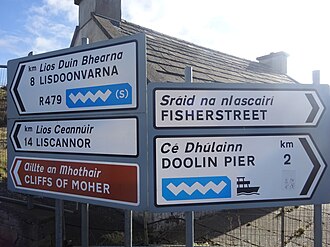
Shore-based whale & dolphin spotting near the Cliffs of Moher
Watching whales and dolphins from the shore at the Cliffs of Moher can be a memorable addition to your visit: long, clean sea vistas, steep cliff faces and active waters attract marine mammals at times during the year. This guide explains what to expect from shore-based watching, the best vantage points, practical photography and binocular tips, safety and wildlife etiquette, and how to include a shore-watch in a day trip to the Cliffs. Sightings are never guaranteed – always check current local information before you travel.
Plan your visit and book a Cliffs of Moher tour
Why shore-watching works here
The Cliffs of Moher overlook a stretch of Atlantic water where deep channels, upwellings and coastal shelves converge. These conditions concentrate prey and attract a range of marine life. Shore-watching works because you get elevated, panoramic viewpoints that allow wide searches of the sea surface without the cost, seasickness risk or logistics of a boat.
Commonly reported shore sightings include dolphins and porpoises moving in feeding groups, and occasional whales passing through on migration routes. Basking sharks and other large pelagic visitors can also be seen at the surface on suitable days. This list is non-exhaustive and varies seasonally; local conservation and research organisations or tour operators can provide the latest information.
Best vantage points and simple access notes
Not all cliff edges or viewing areas are equal for marine spotting. Choose points with a clear, wide-angle view of the open sea, a safe distance from the edge and easy access to parking or walking trails.
Main visitor platform (southern section)
The main visitor areas along the well-managed paths provide broad, elevated views of the horizon and are excellent for scanning with binoculars or cameras. These platforms are designed for safety and accessibility, and they often have informational panels that help with orientation.
Headlands and smaller viewpoints
Shorter trails and headlands away from the main crowds can be productive for watching movements across the bay. If you follow marked footpaths, you can find quieter stretches where you can focus on the sea for longer periods. For family-friendly options and picnic stops on the approach, see family picnic spots between Doolin and the Cliffs of Moher for places to rest before or after a shore-watch.
Nearby islands and estuary viewpoints
Views toward the Aran Islands and around the estuary mouths can show different marine activity. If you plan to look toward island waters, browse the Inis Oirr wildlife highlights: seals & coastal birds for context on island wildlife you might notice while scanning the sea.
When to go: seasons, daylight and weather factors
Seasonality matters, but there is no strict rule. Spring and summer often bring increased dolphin and porpoise activity as feeding opportunities rise; migration peaks for some larger whales occur at certain times of year. Weather and sea state strongly influence visibility: calm seas make distant blows, surfacing and splashes easier to detect, while high winds and rain reduce sighting chances.
Consider daylight: longer daylight in summer gives you more opportunity, while low winter sun can create glare or silhouette animals in the distance. Tides and currents influence where prey concentrates; experienced local guides and operators can advise on promising days. Always check current local information for recent sightings and weather forecasts before making a plan.
Equipment and photography tips for shore-based spotting
Shore-watching is largely about scanning large areas, then focusing for a closer look. Pack light but aim for optical quality and stability.
Essential optics
Binoculars are the single most useful tool. A mid-range 8×42 or 10×42 binocular is a good balance between magnification, light-gathering and stability. If you expect to watch in low light or want more detail at distance, consider 10x50s but be aware they can be heavier to hold steady.
Cameras and lenses
For photography, a DSLR or mirrorless camera with a telephoto lens in the 200–600mm range covers most shore-based needs. On full-frame bodies, a 100–400mm can work if you crop carefully; on APS-C bodies the effective reach increases. Use high shutter speeds (1/1000s or faster) for fast-moving dolphins, and continuous autofocus tracking for unpredictable motion.
Stabilisation and accessories
A monopod offers a good compromise between stability and portability on uneven ground; a sturdy tripod is ideal for long waits and heavy telephotos. Bring lens hoods and weather protection for spray and wind. Polarising filters can reduce surface glare but may darken distant subjects; test settings before relying on them.
Practical viewing tactics
Scan with binoculars in a systematic grid across the horizon rather than random gazing. When you spot a splash or back, bring the camera up, use wide continuous shooting bursts and record short video clips—sometimes audio and movement help identify species. Keep notes of time, compass bearing and sea conditions; this helps cross-check with local sighting reports later.
For packing advice on nearby walks and terrain, consult the Gear and packing checklist for Burren limestone walks to match clothing and footwear to local conditions.
Safety, wildlife etiquette and protecting viewing areas
Personal safety and wildlife respect are priorities at the Cliffs. The cliff edge is hazardous: keep to marked paths, maintain a safe distance from the edge, and supervise children and pets closely. Unstable ground and sudden gusts are real risks.
Respect animals by keeping noise low and avoiding deliberate attempts to attract or feed them. Disturbance from people can alter behaviour and feeding patterns. Do not attempt to enter protected areas or ignore signage; where rules or access points change, check current official information.
Drone users should be especially careful: there are specific restrictions around the Cliffs and Aran Islands to protect wildlife and visitors. Review the Drone rules at Drone rules at the Cliffs of Moher & Aran Islands — visitor guide before planning any flights.
How to combine shore-watching with tours and day trips
Decide early whether you want a shore-based watch, a boat trip, or a combination. Shore-watching is low-cost, flexible and great for photographers who prefer stable footing. Boat trips offer closer encounters and different viewing angles but depend on sea conditions and operator schedules.
If you’re already planning guided experiences, consider small-group options that combine local geology and natural history for context on why the area attracts marine life. See Small-group guided geology tours: Burren to Cliffs for guided itineraries that add a geological perspective to your wildlife watch.
Plan timing so you can move between viewpoints, photo stops and other attractions without rushing. Combine a morning shore-watch with an afternoon walk or picnic—Family picnic spots between Doolin and the Cliffs of Moher suggests pleasant places to break up your day.
Practical visit checklist and final tips
Before you go, prepare a short checklist:
- Binoculars, camera, and extra batteries or charged power banks.
- Warm, waterproof layers and sturdy footwear—conditions can change quickly.
- Monopod or tripod for stabilisation, lens cloth for sea spray.
- Notebook or phone to log sightings, bearings and time of day.
- Local contact or tour operator details in case you want guided advice.
Arrive before peak crowds if you want quieter viewpoints, but be mindful that animal activity can peak at various times of day. Remember that sightings are unpredictable; checking recent reports and talking to visitor staff or tour operators can improve your chances. When in doubt, plan for a relaxed visit that includes the cliffs’ dramatic scenery even if marine life stays distant.
Plan your visit and book a Cliffs of Moher tour
If you prefer guided shore-watching or small-group experiences that combine natural history, geology and marine-spotting, consider a specialised group tour for a deeper local perspective: Small-group guided geology tours: Burren to Cliffs.
FAQ
Can I reliably see whales and dolphins from the Cliffs of Moher shore?
Sightings are possible but not guaranteed. The Cliffs offer excellent vantage points and the right sea conditions can bring dolphins, porpoises and sometimes whales into view. Success depends on season, weather, sea state and local prey movements. Check recent sighting reports and local guidance before you go.
What binoculars or camera gear should I bring for shore-based spotting?
A good pair of 8×42 or 10×42 binoculars is a highly recommended minimum. For photography, a camera with a telephoto lens (200–600mm recommended range) gives the best chance of usable images from shore; use a monopod or tripod for stability. Bring spare batteries, a lens cloth and weather protection.
Are there guided shore-watching walks or is a boat trip better?
Both options have merits. Guided shore-watching walks are low-impact, educational and useful when weather makes boats impractical. Boat trips can bring you closer to animals but are weather-dependent and may not be suitable for everyone. Choose based on your mobility, comfort on water and desired experience.
What safety and wildlife rules should I follow while watching from the cliffs?
Stay on marked paths and behind safety barriers, keep clear of unstable edges, supervise children and pets closely, and avoid loud noises. Do not feed or try to lure wildlife. Follow any site signage and check current official information for updates to access or restrictions.