
Sustainable Aran Islands travel: low‑impact day trips from Doolin
Sustainable Aran Islands travel: low‑impact day trips from Doolin
If you’re based in Doolin or visiting the Cliffs of Moher, planning Aran Islands sustainable travel options and low‑impact visits helps protect fragile habitats, preserves archaeology and supports the island communities who welcome visitors. This guide focuses on practical choices you can make before and during a day trip so your visit leaves a positive legacy rather than wear and tear.
Plan a low‑impact day trip — book eco‑conscious Cliffs of Moher & Aran Islands tours
Why choose a low‑impact visit to the Aran Islands?
A low‑impact visit reduces erosion on limestone pavements, protects nesting seabirds and fragile heathland, and limits crowding at archaeological sites such as forts and churchyards. Small choices—sticking to paths, bringing reusable items, travelling with responsible operators—combine to preserve island character and ensure future visitors enjoy the same unspoilt scenery and vibrant culture.
For local residents, sustainable tourism means income spread across the year without unsustainable pressure on housing, services and natural resources. Responsible visitors also help maintain traditional livelihoods: boatmen, craftspeople and musicians depend on respectful custom and repeat visitors who care for place as well as experience it.
Planning from Doolin or the Cliffs of Moher: transport choices and timing
Ferry crossings to the Aran Islands operate from Doolin and nearby ports. When planning, prioritise operators who publish clear information on departures, vessel capacity and wildlife policies. Choose crossings that suit your energy and time limits—shorter crossings reduce time at sea for some passengers, while quieter early departures can mean less crowded landing points on island arrival.
Weather can influence your crossing and on‑island conditions. Check current official operator information before you travel rather than relying on static guides. If you’re visiting after a Cliffs of Moher trip, allow time to travel between the Visitor Centre or coastal viewpoints and the Doolin quays so you don’t rush—moving calmly between sites reduces stress on local transport and on yourself.
When choosing a vessel, consider boat size and how many passengers are aboard. Smaller vessels can mean closer encounters with nature are less disruptive if the operator follows wildlife‑friendly approaches; larger vessels can be more stable but may have different operational impacts. Confirm luggage rules and on‑board facilities so you can keep day‑trip baggage light and low‑impact.
How to identify sustainable ferry and tour operators
Not every company that visits the islands makes the same sustainability commitments. Look for transparency: operators that clearly describe their approach to wildlife, waste, energy use and community contributions are easier to assess.
- Credentials: Do they belong to local or national tourism quality schemes? Do they display clear safety and environmental statements?
- Boat size and capacity: Responsible operators match capacity to demand and avoid oversubscribing small islands during peak times.
- Wildlife‑friendly practices: Operators should maintain safe approach distances to seabird colonies and resting mammals, and brief passengers about noise and behaviour.
- Transparency: Look for published policies about single‑use plastics, recycling, staff training and local hiring.
Always check current official information for the most up‑to‑date operator practices and certifications before booking.
Low‑impact activities on each island
Inis Mór (Inishmore)
Inis Mór is the largest island and contains well‑known archaeological sites. Stay on marked paths around forts and dwellings to limit erosion and avoid trampling turf and fragile vegetation. Opt for walking or renting a bicycle from a local provider rather than motorised tours when possible. If you cycle, choose quiet lanes and avoid narrow cliff‑top paths where edges are vulnerable.
Inis Meáin (Inishmaan)
Inis Meáin has smaller visitor numbers and a quieter feel. Respect that the island’s scale means visitor impacts concentrate quickly—keep group sizes modest, stick to paths, and visit attractions at off‑peak times to reduce pressure. Seek out local guided walks to learn about place names and geology; these visits tend to be low‑impact and provide direct income to island guides.
Inis Oírr (Inisheer)
Inis Oírr is compact with scenic cycling and walking loops. Avoid shortcuts across grazing land and fenced archaeological zones. Where signs ask visitors to keep dogs on leads or stay away from certain cliff edges, follow them: even small disturbances can affect nesting birds and fragile plant communities.
Across all islands, prioritise human‑powered exploration—walking and cycling minimise noise, emissions and the physical footprint of the visit.
Wildlife and seabird etiquette
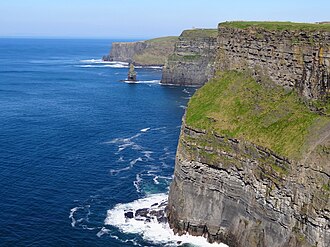
Seabirds nest on cliffs and amongst coastal rocks; during the breeding season, they are particularly vulnerable. Keep a respectful distance from colonies and roosts. Do not attempt to attract or feed wildlife, and keep noise to a minimum—shouting, loud music and sudden movements cause stress and can lead to nest abandonment.
If you encounter seals or other marine mammals from the shoreline, observe from a distance and avoid getting between them and the sea. Use binoculars or a telephoto lens rather than approaching. When walking coastal edges, stay back from cliff margins which can be unstable and are essential habitat for many bird species.
Leave‑no‑trace essentials and packing checklist for day trips
Pack to reduce waste and avoid introducing pollutants to island environments. The essentials below will keep your carbon and waste footprint small while keeping you comfortable on a changeable Atlantic day trip.
- Reusable water bottle and a lightweight food container to avoid single‑use packaging.
- A small bag for your rubbish—carry out what you bring in. If recycling containers are available, use them; otherwise take recyclables back to Doolin.
- Biodegradable sunscreen and insect repellent to minimise chemical runoff into sensitive habitats.
- Layered, windproof clothing and sturdy footwear for uneven limestone pavement; a small waterproof is essential.
- Binoculars and a camera with a telephoto lens so you can view wildlife without getting close.
- Compact first‑aid kit and any necessary personal medication in resealable bags to prevent leaks.
Note: check current local guidance for any seasonal restrictions or recommended items before you travel.
Supporting island communities responsibly
Spending money on the islands helps sustain local services, but do so in ways that benefit residents without increasing pressure on resources. Choose locally run cafés, pubs and craft shops rather than chain outlets. When buying crafts, ask about materials and production methods—handmade items from local artisans keep income on the island.
Book guided experiences with island‑based guides where possible. Small group tours, music sessions and storytelling events add value for you and provide employment that encourages people to maintain traditional skills. If you want to stay longer in future, consider visiting outside peak day‑trip hours to spread visitor impact across the season.
Final checklist and resources
Before you leave Doolin or the Cliffs of Moher, run through a quick checklist: confirm your ferry booking and whether the operator has sustainability information; pack reusable and bio‑friendly essentials; plan a route on the island that uses established paths; and identify local services you want to support.
Useful local resources to read before you travel include practical maps and place‑name guides, visitor essentials for Doolin, and cultural features that help frame your visit:
- Traditional place names and coastal maps of Doolin and the Burren — Visitor guide
- Doolin Visitor Essentials: Services, Shops & Facilities for Cliffs of Moher Visitors
- Aran Islands folk music & storytelling — Doolin day‑trip highlights
- Photography composition ideas for Cliffs of Moher panoramas — Visitor tips
- Cliffs of Moher audio guide options: choose the best guide for your visit
Check current official information for operator practices, weather updates and any seasonal advice before you head to the quays. Conditions and policies can change; confirming details on the day reduces surprises and supports safer, lower‑impact visits.
Plan a low‑impact day trip — book eco‑conscious Cliffs of Moher & Aran Islands tours
For groups or private parties who need tailored timings or experiences, consider private or small‑group tours that work with island communities to create low‑impact itineraries. To explore private or group options, visit our private and group tour information and discuss sustainability preferences before booking.
FAQ
How can I minimise my carbon footprint when visiting the Aran Islands from Doolin?
Minimise carbon footprint by choosing operators who use efficient vessels and follow wildlife‑friendly routing, travelling light, and avoiding unnecessary additional car journeys. Combine your Cliffs of Moher visit and island trip into a single outing where practical, and favour walking or cycling on the islands rather than motorised transport. Always check current operator sustainability statements for the most accurate information.
Are there eco‑friendly tour options that combine the Cliffs of Moher with the Aran Islands?
Yes—some tours link the Cliffs and the Aran Islands with sustainability commitments such as reduced‑impact shore visits, small group sizes and local guides. Verify each tour’s published environmental practices and ask how they minimise waste, noise and wildlife disturbance. Confirm current details directly with operators before booking.
What should I pack to ensure a low‑impact day trip to the Aran Islands?
Pack a reusable water bottle, snack container, a small rubbish bag, biodegradable sunscreen and insect repellent, layered weatherproof clothing, sturdy shoes, binoculars and a compact phone charger. Bring only what you will use and carry out any waste you create. Check seasonal advice before you travel for any additional recommended items.
How can I respect wildlife and fragile archaeological sites while on the islands?
Keep to marked paths around archaeological sites, maintain safe distances from nesting seabirds and marine mammals, avoid feeding wildlife, and keep noise low. If you’re unsure whether a spot is sensitive, check with a local guide or operator and follow posted signs. If details may have changed since reading this guide, seek current local guidance on arrival.