
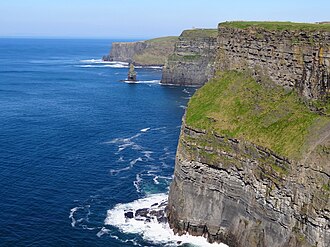
Sustainable, Low-Impact Day Tours from Doolin to the Cliffs of Moher | Cliffs Of Moher Tours
Planning a visit from Doolin to the Cliffs of Moher? Choosing a sustainable, low-impact day tour helps protect seabirds, fragile coastal habitats and the visitor experience itself. This practical guide explains what “low-impact” means for a Cliffs visit, compares tour styles based in Doolin, lists the right questions to ask before you book, and gives concrete tips for preparing and behaving responsibly on site.
Plan or book a sustainable Doolin-to-Cliffs day tour: https://www.cliffsofmoher.tours/
Why choose a sustainable, low-impact day tour from Doolin?
Low-impact tours protect the landscape and wildlife that make the Cliffs of Moher special. Reduced disturbance benefits nesting seabirds, preserves fragile vegetation along cliff edges, and keeps erosion and informal path-making down. For visitors, smaller group sizes and quieter transport often mean better interpretation, more time to enjoy the view, and less time waiting in crowds.
Sustainable tours also support local economies when they work with community providers — that could be a Doolin guide, a local boat operator with good practices, or small hospitality businesses. Combining a responsible tour with a visit to Doolin’s galleries or craft shops helps spread tourism benefits while keeping the Cliffs’ footprint lower.
What “low-impact” means for a Cliffs visit: core principles
Low-impact touring follows a few clear principles:
- Small groups: fewer people together reduces wear on paths and limits noise and disturbance.
- Quiet transport: lower-emission vehicles, minibuses or electric shuttles where available, and responsible boat trips that avoid sensitive nesting areas.
- Stay on paths: follow official trails and waymarking to prevent trampling of fragile cliff-top vegetation.
- Leave no trace: take all litter home, avoid single-use plastics, and don’t feed wildlife.
Low-impact tour styles based in Doolin
Walking and guided hikes
Guided walks from Doolin to viewing points emphasise minimal impact: group sizes are often smaller, guides explain local ecology and history, and they model good behaviour on paths. Choose guides who brief visitors on staying on official trails and who carry out any necessary safety planning.
Small-group shuttles
Shuttles that transport small groups reduce the number of cars parked at visitor areas and concentrate access through managed arrival points. Check that shuttle operators use modern, well-maintained minibuses and that they coordinate with the Cliffs’ official visitor facilities. Avoid large coach tours when your priority is a low-impact experience.
Cycle and e-bike options
For active visitors, cycling from Doolin to designated viewpoints is an attractive low-emission choice. E-bikes extend the route options but still keep the footprint smaller than many motorised tours. Make sure any cycling route sticks to roads and authorised tracks — avoid creating new tracks on sensitive ground.
Coastal boat viewpoints
Boat trips offer the dramatic seaward view of the cliffs with less pressure on cliff-top paths. Look for operators that maintain respectful distances from seabird colonies and follow codes of conduct. Ask whether the boat route avoids important nesting stretches and whether operators brief passengers on noise and waste policies.
How to assess a tour’s sustainability
Before you book, ask clear, specific questions. Responsible operators will welcome them and provide evidence.
- Group size: What is the maximum group size? Smaller is generally better.
- Transport: What vehicle types are used? Do they have low-emission or electric options?
- Route management: Do they stick to official paths and approved boat routes?
- Wildlife protection: How do they avoid disturbing birds and seals?
- Local partnerships: Do they work with local guides, cafes or galleries so tourism benefits the community?
Watch for greenwashing: vague language like “eco-friendly” without detail, or claims without verifiable practices. Credible signs include clear policies, willingness to answer questions, and collaboration with recognised local authorities or conservation groups. When in doubt, ask for references or recent reviews from visitors who cared about sustainability.
Preparing for your low-impact day trip
Packing and planning for a sustainable Cliffs day is simple but important. Bring layered, weatherproof clothing and sturdy footwear suitable for potentially wet, windy conditions. Carry reusable water, snacks in reusable containers, and a compact bag for any rubbish to take home.
Consider accessibility and family needs: many low-impact options can accommodate families and visitors with limited mobility, but details vary by provider. Ask in advance about walking distances, terrain, child-friendly guidance, and any support for mobility aids. Always check current official information for accessibility updates and guidance before you travel.
If you want to combine local culture with your low-impact trip, plan time in Doolin to visit galleries and craft shops. See the local guide to Doolin’s crafts for ideas on authentic purchases and experiences: Doolin’s local crafts and galleries — Visitor guide for Cliffs of Moher daytrippers.
Sample low-impact day-trip ideas from Doolin
These are concise route concepts and visitor priorities rather than fixed schedules. Check current official information before travelling.
Short guided walk + boat viewpoint
Morning guided walk from Doolin to a managed cliff-top viewpoint, focusing on geology and birds, followed by an afternoon boat trip that maintains respectful distances from nesting areas. Priorities: small group, quiet observation, no off-path exploration.
Cycle to viewpoints with a local stop
Cycling from Doolin along approved roads to a viewpoint, with a stop back in Doolin for lunch and a browse of local crafts. Priorities: stay on roadways/authorised tracks, secure bikes properly, and support local businesses mentioned in the Doolin craft guide.
Guided heritage walk and storytelling
A heritage-focused hike along restored coastal tracks with a local guide who explains fishermen tracks and coastal history. Priorities: respect sensitive sites and pathways — see Historic Fishermen Tracks: Mapping Old Coastal Paths Around Doolin for context.
Evening stargazing extension
After a low-impact day at the Cliffs, consider a short stargazing stop at a low-light spot between Doolin and the Burren. This should only be added if your tour operator supports evening access and practices minimal light disturbance. For ideas, consult Stargazing spots between Doolin and the Burren — where to watch the night sky.
Booking tips and on-site behaviour
When you book, confirm the operator’s sustainability practices and any seasonal constraints that affect wildlife. Ask whether your visit will be routed through official visitor facilities and whether the guide provides interpretation that reduces the temptation for off-path exploration.
At the Cliffs, respect signed routes, keep to the edges of viewing platforms, and avoid shortcuts. If you bring binoculars or a camera, use them to view wildlife from a distance rather than approaching. Take all litter home and avoid feeding wildlife — human food harms seabirds and other animals.
Plan your visit timeframe with local considerations in mind: quieter arrival times can reduce pressure, but seasons and special events vary. Always check current official information for access guidance and any temporary restrictions that protect wildlife or repair trails.
Further reading and related experiences
For visual planning and excellent photo spots, consider the tips on timing and viewpoints in our timelapse and short video guide: Timelapse and Short Video Spots at the Cliffs of Moher — Best Views & Tips for Visitors. If you’re travelling with family and need overnight options, our suggestions for family-friendly accommodation near Doolin can help you extend your visit responsibly: Family-friendly accommodation near Doolin for Cliffs of Moher visits | Cliffs of Moher Guide.
Plan or book a sustainable Doolin-to-Cliffs day tour: https://www.cliffsofmoher.tours/
If your group needs private or tailored arrangements, we also offer private and group tour options that focus on low-impact practices. Contact us through the same booking link to inquire about custom itineraries that prioritize small groups and sustainable transport: Private and group tours — https://www.cliffsofmoher.tours/
FAQ
What makes a Doolin–Cliffs day tour genuinely low-impact?
A genuinely low-impact tour uses small group sizes, quiet or low-emission transport, routes that stick to official paths, and clear practices to avoid disturbing wildlife. It also leaves no physical trace: no littering, no off-path exploration, and no feeding of animals. A responsible operator will explain these practices before the trip and model them on site.
Are there quiet times or seasons that reduce visitor impact at the Cliffs of Moher?
Visitor pressure varies seasonally and by time of day. Shoulder seasons and weekday visits are often quieter than peak summer weekends, but conditions change and specific wildlife seasons may impose restrictions. Always check current official information for seasonal guidance and any temporary measures to protect nesting birds or to manage erosion.
Can families with young children join low-impact tours from Doolin?
Yes — many low-impact operators welcome families, but suitability depends on walking distances, terrain and child supervision. Ask the operator about child-friendly routes, any steep sections, and whether they provide safety briefings. Bringing child-appropriate clothing, snacks in reusable containers, and a lightweight carrier for very young children helps keep the group low-impact.
How can I verify a tour company’s sustainability claims before booking?
Ask specific questions about group size, transport type, route management, wildlife protection, and local partnerships. Look for detailed answers rather than buzzwords, check recent guest reviews that mention sustainability, and ask for references. If in doubt, request written policies or evidence of cooperation with local conservation bodies. When details may change, check current official information before you travel.