
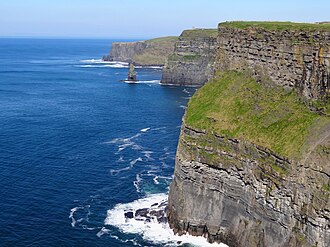
Aran Islands coastal promontories for sketching and quiet views | Cliffs of Moher Guide
For day‑trippers visiting the Cliffs of Moher who want to add a quieter, sketch‑friendly island escape, the Aran Islands offer a handful of coastal promontories that are ideal for quick studies, longer drawing sessions, and unhurried looking. This guide explains where to go on each island, what to carry, how to time your trip and stay safe on cliff edges, and how to combine a calm Aran sketching day with your Cliffs of Moher visit.
Plan your Aran Islands sketching day trip — book a combined Cliffs and Aran Islands itinerary or check available day‑trip options that connect Doolin and the islands.
Why Aran Islands promontories are perfect for sketching and quiet views — what to expect
The three Aran Islands—Inis Mór, Inis Meáin and Inis Oírr—present steep rocky headlands, low grassy platforms and traditional stone walls that frame the Atlantic. Compared with the busier Cliffs of Moher viewpoints, many island promontories sit lower and closer to the sea, offering intimate angles and quieter outlooks for observational sketching.
Expect changing light, brisk sea breezes and the sound of waves, seabirds and distant surf. Some vantage points open onto broad seascapes and distant headlands; others give cropped, dramatic lines against the horizon. Bring a mindset for quick studies as weather and wind can shift rapidly.
Choosing an island: Inis Mór, Inis Meáin and Inis Oírr — differences for sketchers and viewers
Inis Mór (Inishmore)
The largest island, Inis Mór, has a variety of promontories—from exposed, cliff‑facing ledges to sheltered bays edged by stone walls. It offers more routes and places to find a quiet spot away from main ferry landing areas. Expect more visitors overall, but also more options for finding a secluded headland.
Inis Meáin (Inis Meadhon)
Inis Meáin is the quietest and most remote of the three. Paths are fewer and the landscape retains a very quiet, traditional character. For sketchers pursuing solitude, its low rocky points and narrow promontories are perfect for slow observation and contemplative drawing.
Inis Oírr (Inisheer)
Inis Oírr is compact and lends itself to short walks between objective viewpoints. Coastal rock stacks, small harbours and sheltered coves make it excellent for quick composition sketches and detail studies—stonework, boats and coastal plants often appear in the same frame.
Notable coastal promontories and cliff edges to consider
Below are general locations and what makes each spot helpful for sketching. Exact access and conditions change over time, so check current local information when you arrive.
Inis Mór: north and west headlands
The northern headlands give long open horizons with low rock ledges—good for horizontal compositions and atmospheric washes. The west‑facing points capture late afternoon light for warm coastal tones. Use the stone walls as compositional foregrounds to anchor your view.
Inis Meáin: low promontories and sheltered bays
Look for the small rocky tongues that point out into the Atlantic—these provide intimate angles and dramatic foreshortening when waves compress the view. The sheltered bays near village approaches are also calm when winds drop, offering reflective water studies and detailed shoreline textures.
Inis Oírr: harbours, stacks and small cliff faces
The harbour and adjacent reef stacks are compact but varied: boats, moorings and short cliff faces create layered scenes. Promontories here are accessible for short walks and are excellent for quick compositional sketches and tonal studies.
Sketching essentials for coastal promontories: lightweight kits, paper, windproofing and quick studies
Pack light and prioritise portability. A small sketchbook (A5 or A6), a handful of pencils (HB, 2B), a waterproof pen or two, and a compact watercolour set or coloured pencils will let you capture a range of effects without heavy equipment. Bring a lightweight folding stool or a small sit mat rather than a full easel—many promontories are uneven and breezy.
Windproofing: use binder clips to secure paper to a clipboard, consider a portable drawing board with elastic straps, and keep a few strong rubber bands or a weight (stone) in your pocket to anchor loose sheets. A small spray bottle can mist paper for soft wash techniques, but avoid heavy water use close to the sea where spray and wind are unpredictable.
Quick studies: practice 5–20 minute thumbnails to lock in composition and values, then return to refine a longer study if conditions permit. Work from general shapes to detail, and carry a small towel to wipe salt spray from surfaces and hands.
Timing and etiquette: how to find quieter moments, seasonal considerations, and respectful behaviour
Quiet times: early morning and late afternoon are often less busy and provide favourable light. Midday can be bright but busier with tourist groups. Outside high season you’ll find more solitude—however, always check current ferry and service information before planning your timing.
Etiquette: respect private land, stone walls and agricultural areas. Keep a low profile near cottage windows, avoid blocking paths, and step carefully to not damage turf or fragile plants. If you join local demonstrations or community events, consider reading up on activities like Aran Islands boatbuilding demonstrations from Doolin to enrich your visit respectfully.
Safety, weather readiness and leave‑no‑trace principles for coastal sketching
Safety first: promontories can have loose rock, slippery lichen and unexpected gusts. Keep a sensible distance from edges, work with a companion if possible and let someone know your plans. If the wind is strong or the sea is rough, choose a sheltered bay or return to higher ground—don’t risk exposed ledges.
Weather readiness: wear layered, waterproof clothing and sturdy shoes with good grip. Carry a compact rain cover for your pack and sketchbook. Mobile signal can be patchy; download maps or note landmarks before you set off, and check local forecasts on the day of travel.
Leave no trace: pack out all rubbish, keep to established paths where possible, and avoid picking vegetation. If you plan to try foraging or coastal cuisine after your trip, consider learning local practices through activities such as Seaweed Foraging & Coastal Cuisine Workshops Near Doolin, and always follow local guidance.
Combining a sketching visit to the Aran Islands with your Cliffs of Moher plans — practical planning tips and tour considerations
Many visitors pair a morning or afternoon at the Cliffs of Moher with a boat trip to the Aran Islands from Doolin. If your main focus is quiet sketching, plan for the island portion to be the calmer part of the day—arrive early or choose return times that avoid peak ferry traffic.
Consider combining the island visit with a coastal boat cruise if you want complementary perspectives of the cliffs from sea level; see our guidance on choosing cruises in the area in Coastal boat cruises focused on the Cliffs of Moher — how to choose and plan your visit. Also, if you have time before or after the islands, a walk through Doolin’s cultural heart provides local context—try the Doolin cultural walk for thatched cottages and local history.
For lower‑impact travel choices and ways to keep your day‑trip sustainable, read our note on Sustainable Aran Islands travel: low‑impact day trips from Doolin. Always check current ferry and tour information before you travel—schedules and services change.
Quick sketch exercises and viewpoint prompts to capture the islands’ coastal character
Three practical exercises to try on the islands:
- Contour time study (5–7 minutes): draw the shoreline or headland outline in continuous line to sharpen observation of edge and rhythm.
- Value block exercise (10 minutes): use pencil or light wash to map three tones—foreground darks, middle tonal range, and sky/light sea—to lock in composition quickly.
- Detail insert (15–20 minutes): focus on one small element—rock texture, wall knot, boat hull—and surround it with light tonal context for a mixed big/small viewpoint study.
Viewpoint prompts: place a low stone wall in the foreground to lead the eye, crop the horizon tightly for drama, or include a solitary bird or boat to convey scale. Change from landscape to portrait orientation to explore different compositional relationships.
Ready to plan your day? Plan your Aran Islands sketching day trip and check options that combine the Cliffs of Moher with island time. If you prefer a more private experience, consider private or small group arrangements for a quieter, tailored itinerary—contact us to discuss private tours and group options.
FAQ
Are there quiet coastal promontories on the Aran Islands that are suitable for sketching?
Yes. Inis Meáin is typically the quietest overall, while Inis Mór and Inis Oírr each have quieter headlands away from ferry landings. Promontories vary from low rocky tongues to small cliffs—choose spots set back from well‑trodden paths or arrive early/late in the day for more solitude.
What sketching materials should I bring to cope with wind and sea spray?
Keep your kit light: a small sketchbook, pencil range (HB–2B), waterproof pens, a compact watercolour pan set or coloured pencils, a clipboard and clips, and a lightweight sit mat. Include windproofing items—binder clips, rubber bands, and a stone to weigh paper—and a small towel to remove salt spray.
Is it safe to sketch near cliff edges and promontories, and what precautions should I take?
Sketching near cliffs can be safe if you take precautions: stay back from edges, watch for loose rock and slippery surfaces, work from a stable stance or seated position, avoid sketching alone on exposed ledges, and monitor weather and wind. If in doubt, choose a more sheltered viewpoint.
When are the best (quietest) times to visit the Aran Islands for sketching from the promontories?
Early morning and late afternoon are usually quieter and offer favourable light. Outside peak tourist season you’ll also find reduced visitor numbers. Ferry times and services change, so check current schedules and local advice when planning your trip.