
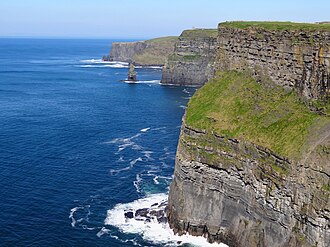
The Cliffs of Moher are one of Ireland’s most iconic coastal landscapes, and timing your visit can make the difference between a misty glimpse and a dramatic, sweeping panorama. This practical guide explains when to go, what weather to expect each season, how time of day affects visibility and crowds, what to pack, and whether a guided tour will improve your experience. Read the advice below and remember to check current local forecasts and official sources before you travel, as conditions and access can change.
Book your Cliffs of Moher tour — choose from a range of options to match your time, interests, and mobility needs.
At-a-glance: best seasons and times to visit
Best overall seasons: spring (late March–May) and autumn (September–October) for fewer crowds and pleasant light. Summer (June–August) gives the longest daylight and often more stable conditions but is busiest. Winter (November–February) is quieter and atmospheric but has shorter daylight and more changeable weather.
Best time of day: early morning for lower crowds and softer light; late afternoon for warm light but more visitors. Sunrise and sunset offer excellent photographic opportunities if you can plan around the weather and transport.
Seasonal expectations — spring, summer, autumn, winter
Spring (March–May)
Spring brings blossoming coastal plants and increasing daylight. Temperatures are mild compared with winter, but weather can swing between sun, rain and wind in the same day. Spring is a great compromise between crowds and light — expect moderate visitor numbers. Birdlife is active, which can enhance viewing from the cliffs.
Summer (June–August)
Summer offers the longest days, which is ideal if you want to combine the cliffs with other west-coast activities. Warmer, drier spells are possible, but the site is busiest then — the main viewing areas, visitor centre and car park can be crowded. If you’re travelling from Galway or Dublin on a day trip, consider earlier or later departures to avoid peak visitor flow. For planning from cities see a Galway to Cliffs of Moher Tour: Practical Planning Guide for Visitors and Dublin to Cliffs of Moher Tour: Options, Sample Itinerary & Tips.
Autumn (September–October)
Autumn often offers dramatic skies, good light for photography, and fewer tourists than summer. Weather can be changeable, with some stormy days that create dramatic sea conditions. This season balances visibility and crowd levels well for many visitors.
Winter (November–February)
Winter is the quietest time to visit. You’ll often have the cliffs to yourself and can experience epic weather-driven views, but expect shorter daylight hours and higher chances of strong winds, rain, and poor visibility. Access to certain exposed paths may be restricted on safety grounds — always check official sources before setting out.
Time-of-day considerations: mornings, midday, afternoons and sunset
Mornings
Early mornings are generally the least crowded. If you can arrive shortly after the visitor facilities open (check current times before you go), you’ll often find quieter viewpoints and softer light for photos. Mornings can also be mistier, so visibility may be limited on some days.
Midday
Midday brings the most visitors and the harshest light for photography. Visibility is often best when fog hasn’t settled, but heat haze in summer and onshore wind can affect clarity. If you prefer a lively atmosphere or to combine a meal at the visitor centre with your visit, midday is convenient — just expect more people.
Afternoons and sunset
Late afternoons give warm, directional light that flatters the cliffs, and sunset can be spectacular if the weather cooperates. However, sunset also draws crowds. For photography tips and ideal viewpoints at different times of day, see Best Cliffs of Moher Tour for Photographers: Timing, Viewpoints & Tips.
Weather realities: wind, fog, rain and visibility
The cliffs sit directly on the Atlantic coast, so weather can change rapidly. Main factors to consider:
- Wind: Strong coastal winds are common. Gusts can be powerful and unpredictable near the cliff edge. Always keep a safe distance from unfenced edges and follow any signage or staff instructions.
- Fog and low cloud: Visibility can drop quickly, sometimes reducing the iconic sea views to a shroud of mist. Fog is most common in the morning and after weather fronts pass.
- Rain and spray: Rain can be local and sudden. Coastal spray from heavy seas can reach viewing areas on stormy days, and surfaces get slippery when wet.
- Sea state: The appearance of the cliffs is strongly affected by the sea — calm conditions give distant views, while stormy seas create dramatic scenes but may trigger access restrictions for safety.
Because conditions change, check local weather forecasts and official site notices before you travel and on the day of your visit.
What to pack and how to dress for changing conditions on the cliffs
Dress in layers and prepare for wind, rain and sun in a single outing. Essentials include:
- Windproof and waterproof outer layer (jacket with hood recommended)
- Warm mid-layer, even in summer — coastal wind chills can feel much colder
- Sturdy walking shoes with good grip; avoid smooth-soled footwear on wet paths
- Hat, gloves and scarf in cool months; sunhat and sunscreen in summer
- Refillable water bottle and small snacks, especially if you plan to walk beyond the main viewpoints
- Camera or binoculars and a secure bag or strap; consider a rain cover for electronics
For family visits, strollers can be tricky on some paths — check the family guide for more on planning with children.
Tips to avoid crowds: timing, less-used viewpoints, and using guided tours or timed visits
To maximize solitude and photo opportunities:
- Visit early in the morning or later in the afternoon outside peak summer weeks. Midweek visits are typically quieter than weekends.
- Explore less-used viewing points along the cliff walk rather than congregating only at the visitor centre. Walking a short distance along the trails often rewards you with fewer people and different perspectives.
- Consider a guided tour with timed departures — tours can help you arrive at quieter times or visit alternative viewpoints. See Cliffs of Moher Tours: How to Choose the Best Day Trip for tips on selecting a suitable option.
- For family groups, choose tours or times that suit children’s routines; Cliffs of Moher with Kids: Family-Friendly Guide & Safety Tips is a useful resource.
Private or small-group tours can offer flexible timings and quieter routes — they’re worth considering if you want a more personalized experience.
Safety and accessibility: planning for weather-related closures and mobility considerations
Safety is paramount. Authorities may close exposed sections of the cliff walk or viewing platforms in unsafe conditions. If you rely on accessible routes or have limited mobility, contact official visitor services or your tour operator in advance to understand which viewpoints are suitable. Some parts of the visitor centre area are accessible, but cliff paths can be uneven and narrow. Guided tours often provide clear information about accessibility and can assist with planning.
Always stay behind any protective fencing and obey posted signs. If weather looks severe, postpone or adjust your visit — official sources provide the most up-to-date closure and access information.
Quick planning checklist and recommended visit duration
- Check local weather and official site notices the day before and morning of your visit.
- Decide which season and time of day match your priorities (photography, solitude, wildlife, longest daylight).
- Pack layers, waterproofs, sturdy shoes, water and snacks.
- If travelling from Galway or Dublin, review practical day-trip planning resources: Galway to Cliffs of Moher Tour: Practical Planning Guide for Visitors and Dublin to Cliffs of Moher Tour: Options, Sample Itinerary & Tips.
- Allow 1.5–3 hours at the cliffs for a relaxed visit: time varies with walking, photography and weather.
Book your Cliffs of Moher tour to secure timed departures or small-group options; if you prefer private or group tours, see private options at Book your Cliffs of Moher tour for tailored itineraries.
FAQ
When is the least crowded time of day to visit the Cliffs of Moher?
Early morning shortly after the visitor facilities open is usually the least crowded time, followed by late afternoon outside peak summer weeks. Midday and sunset periods generally attract the most visitors. For photographers seeking solitude, an early start often offers the best balance of light and fewer people.
How much does weather affect visibility at the Cliffs of Moher and what should I check before I go?
Weather dramatically affects visibility: fog, low cloud and sea spray can obscure views quickly. Check local weather forecasts, marine forecasts, and any official visitor notices before you travel. If visibility is poor, consider rescheduling or planning a shorter visit — conditions can change rapidly, so verify again on the morning of your visit.
Is it worth booking a guided tour to improve timing and avoid crowds?
Yes—guided tours can help you optimize timing, convey local knowledge, and direct you to less busy viewpoints. Small-group and private tours offer flexibility and may include transport from Galway or Dublin; see Cliffs of Moher Tours: How to Choose the Best Day Trip for guidance on picking the right option for your needs.
Can I visit the Cliffs of Moher in winter or on a rainy day and still have a good experience?
Absolutely—many visitors find winter visits spectacular for dramatic skies and empty viewpoints. On rainy or stormy days, the cliffs can be impressive, but safety and visibility concerns may limit access. Dress for the weather, keep a safe distance from exposed edges, and check official access notices before you go.