
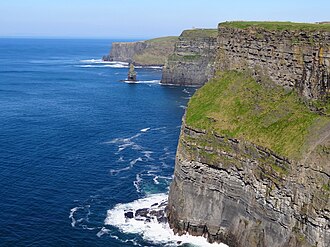
Seabird watching at the Cliffs of Moher is a highlight for many visitors: dramatic colonies of cliff-nesting birds, close views from safe vantage points and striking photo opportunities where ocean, rock and wildlife meet. This practical guide covers what to expect, where to stand, how to photograph seabirds responsibly, what gear helps most and how guided walks or boat trips can deepen the experience without getting lost in seasonal detail.
Plan your visit & book a Cliffs of Moher tour — secure a guided trip or choose a boat-based option to add context and local knowledge to your seabird watching day.
Why seabird watching at the Cliffs of Moher is special
The cliffs are a natural stage for seabird behaviour: large colonies nesting on narrow ledges, adults flying to and from feeding grounds, and chicks visible from certain viewpoints. Expect species that favour sheer rock faces and open ocean—puffins with their bright beaks, guillemots and razorbills clustered on ledges, kittiwakes calling in the wind, and fulmars gliding close to the cliff face. The interactions you’ll see range from frantic take-offs and dramatic aerial manoeuvres to quieter moments of loafing and nest-tending.
Because birds use the cliffs as both nest sites and launch points for feeding flights, you’ll often see concentrated activity at predictable spots: ledges where nesting density is high and sea lanes where fish are more available. That combination of numbers and behaviour makes the cliffs a rewarding place for casual watchers and photographers alike.
Top viewpoints for seabird watching from the visitor trail
The official visitor trail provides several safe public vantage points where viewing is best without risking disturbance. A few highlights and what they offer:
- Central visitor area and platforms: Easy access and clear sightlines to cliff faces and ledges. Good for seeing mixed colonies and for photography from prepared platforms.
- Northward headlands: Longer views along the coastline, where birds commuting to feeding areas can be seen in transit. These spots are useful for capturing flight sequences and ocean context.
- Hag’s Head and southern approaches: Lower-angle views and quieter stretches of trail for less crowded watching.
- Trail sections near Doolin: If you plan a walk from Doolin, the route offers changing perspectives on the cliffs and coastline—see our Doolin to Cliffs of Moher Walk: Practical Guide from Doolin Village for route details and tips.
For a mix of coastal exploration and quieter shoreline perspectives, consider reading our Hidden coves and shoreline near Doolin: a practical visitor guide, which highlights lower-lying vantage points along the coast that complement the cliff views.
Optics and camera advice for seabird photography
Choosing the right optics makes a big difference. For casual watching, mid-range binoculars (7x–10x magnification) balance field of view and stability; higher magnification (10x–12x) helps pick out details on distant ledges but is harder to hold steady. A binocular harness reduces neck strain and keeps your hands free for a camera.
For photography, a telephoto lens in the 300mm–600mm range on a full-frame equivalent is a common choice: it lets you isolate birds on ledges and capture flight details while staying outside nesting areas. If you only have a shorter lens, use your feet and available viewpoints to include more landscape for context.
Consider stabilization: a tripod or monopod helps with long lenses and slower shutter speeds, while in windy, uneven conditions a monopod can offer flexibility. Image stabilization in lenses or bodies is helpful for hand-held shots. Protect gear from sea spray and gusts—use weather-sealed covers or a simple plastic bag when shooting from exposed points or boats.
Composition tips and quick camera settings concepts
Composition: include cliff or sea context to tell a story—birds alone can be striking, but a bird with a ledge, wave or sky backdrop reads as place-based wildlife photography. Use the rule of thirds to position the bird in flight or on a ledge. Negative space to the bird’s flight path adds speed and direction. If photographing puffins or nesting birds on ledges, aim to show the ledge to convey colony density.
Background control: a clean sky or blurred ocean backdrop helps your subject pop. Shooting from a side angle or higher platform can separate birds from busy cliff textures. Experiment with wide apertures to soften backgrounds, but balance depth of field so your subject stays sharp.
Quick settings concepts: use continuous autofocus (AF-C) and burst mode for flight sequences. For birds in flight, start with shutter speeds of 1/1000s or faster; for perched birds 1/500s is often enough. Increase ISO as needed to maintain these shutter speeds in changing light; modern sensors handle moderate ISO increases well. Shoot RAW for post-processing flexibility, check histograms to avoid clipped highlights (especially on bright sea backgrounds), and bracket exposure if lighting is variable.
In lower light or near sunset, you can create silhouettes for dramatic effect—see our Cliffs of Moher Sunset Photography Tips — Capture the Perfect Shot for ideas on using light creatively while keeping bird welfare in mind (avoid any behaviour that could provoke disturbance at dusk).
Responsible viewing and safety
Respecting birds and cliffs is essential. Stay behind barriers and on marked trails; do not climb ledges or approach nests. Even small disturbances can cause nesting adults to flee and expose chicks to predators or cold. Avoid loud noises, running, or waving to attract attention.
Drones disturb seabirds and are restricted in many protected areas. If you’re considering aerial photography, check current official information and seek permission from relevant authorities—rules and enforcement can change. Always follow guidance from park staff and signage. If staff advise a route closure or buffer zone to protect nests, comply immediately.
Safety for visitors matters, too: wind, loose rock and steep edges make staying on official paths the safest option. Supervise children closely and keep cameras and binoculars on straps to avoid accidental drops over the edge.
How tours and boat trips can improve your seabird experience
Guided walks and boat trips add value in several ways. Guides can point out species, interpret behaviours and lead you to vantage points where viewing is best without causing disturbance. Boat trips offer a different perspective—eye-level views of cliff faces and the chance to see seabirds from below, including birds that feed near the water. Consider combining a land-based walk with a sea trip for varied photo opportunities; for practical ferry options and planning, consult our Aran Islands day trip from Doolin — ferry info & planning tips, which also covers nearby operators and departure points.
When choosing a guided option, ask about group size, whether the guide is a naturalist, what binoculars or loaner gear is available, and how the operator minimizes wildlife disturbance. Boats require sea-worthiness and weather considerations, so confirm safety measures and bring protective covers for camera gear.
Practical visitor tips
Dress for wind and spray: layers, windproof outerwear and sturdy shoes are essential. A small binocular harness or case keeps optics ready while protecting them. Bring a lens cloth for salt spray and a rain cover for camera gear. Patience is key—set up at a likely vantage, watch quietly and let birds settle; extended observation time often rewards you with better behaviour and photo moments.
Accessibility: parts of the visitor trail are more accessible than others. If mobility is a concern, plan ahead and check current access information before you travel. For family visits, see our Visiting the Cliffs of Moher with Kids: Practical Family Itineraries & Facilities for suggestions on routes and facilities that make seabird watching easier with children.
Confirm current access rules and trail conditions before you go—management measures can change to protect birds or respond to weather impacts.
Plan your visit & book a Cliffs of Moher tour to secure a guided seabird walk or photography-focused outing. For private groups or bespoke experiences, consider booking a private tour tailored to your interests and pace at the private & group tours page.
FAQ
Can I see puffins and other seabirds from the cliff walk?
Yes. Puffins, guillemots, razorbills, kittiwakes and other seabirds can be visible from the official cliff walk and designated viewing platforms. Sightings depend on local behaviour and weather, so allow time and look for active ledges and frequent flight paths.
Do I need specialist gear to watch or photograph seabirds at the Cliffs of Moher?
No specialist gear is required to enjoy seabird watching. A comfortable pair of binoculars and a camera with a telephoto lens improve sightings and images. A harness for binoculars, a rain cover for equipment and a monopod or tripod are useful additions, but many visitors enjoy great views with basic optics and patient observation.
Are there guided seabird-watching tours or boat trips available?
Yes. Local guides and operators offer walks and boat trips that enhance understanding and access to different perspectives. Boat trips provide low-angle views of cliffs and sea-level bird activity. Check tour descriptions, group size and safety provisions before booking and confirm current availability.
How close can I safely and legally get to nesting seabirds?
Stay on marked paths and behind barriers. Safe and legal distances vary by location and management rules; at the Cliffs of Moher, follow posted signage and staff instructions. Avoid approaching nests or crossing protective buffers—if in doubt, keep your distance and use optics to observe.