
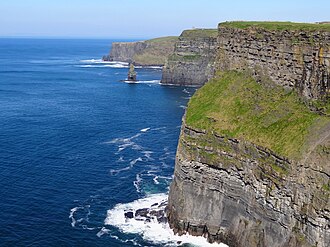
The coastal flora at the Cliffs of Moher frames one of Ireland’s most dramatic seascapes and offers excellent subjects for photography — from delicate thrift hugging the cliff edge to windswept grasses that add motion to wide-angle shots. This compact checklist is designed for day-trippers and tour visitors who want quick ID tips, seasonal timing, and practical photo advice to capture plants safely and effectively during a single visit.
How to use this checklist on a visit — safety, staying on paths, and quick ID approach
Keep the checklist handy on your phone or a small notepad. The Cliffs of Moher environment is exposed and fragile: always stay on marked paths and behind safety barriers. Resist the urge to climb down slopes or cross fences for a closer shot — both for your safety and to protect rare plants and nesting birds.
Quick ID approach: look first at habitat (cliff edge, grassland, rock crevice), then note leaf shape and flower color. When photographing, respect distance — use longer lenses or a mobile zoom rather than stepping into unsafe zones. If you’re unsure about restrictions or sensitive areas, check current official information at visitor centres or with your guide.
Seasonal timing: what to expect by month and how it affects photo opportunities
Coastal plant displays change through the year. Spring and early summer offer the most colourful wildflowers; late summer and autumn shift to seed heads, grasses and heather tones that work well in moody light.
Rough month-by-month expectations (general guidance):
- April–May: early thrift and scurvygrass appear; fresh green grasses and buds on heather.
- June–July: peak wildflower months — thrift (sea pink), wild thyme and sea campion are most visible; seabird activity is also high (see the Seabird watching guide).
- August: strong blooms may continue; ragwort and late thrift still show; grasses develop seed heads.
- September–October: heather and lichens come into focus; golden grasses and textured seed heads photograph well at sunset (see Cliffs of Moher Sunset Photography Tips).
- Winter: florals are sparse but coastal lichens and the structure of grasses provide dramatic minimalist images in stormy light.
Weather and seasonal shifts vary year to year; check recent trip reports or local guidance for the best current blooms.
Key species checklist: compact ID + photo tips
Cliff-top grasses
ID: tufts and tussocks forming low mats and waving stalks at the cliff edge. Colour ranges from bright green in spring to straw and gold later in the season.
Photo tip: use grasses as a foreground to give scale to the cliffs. A low-angle wide shot with the grasses in sharp focus and the cliffs receding into soft background creates depth. In strong wind, use a faster shutter or embrace motion blur for atmosphere.
Thrift (Sea pink)
ID: small, rounded clusters of pink flowers on thin stalks, often forming cushions in cliff crevices and rocky outcrops.
Photo tip: the compact blooms are perfect for close-ups and macro. Position the camera slightly below the flower to include the sea or a distant cliff line as background. Diffuse light (overcast or shade) keeps colours vivid without harsh shadows.
Wild thyme
ID: low, aromatic mat-forming plant with tiny purple-pink flowers and small leaves. Often found on well-drained cliff turf.
Photo tip: capture thyme in context — wide shots that show its carpet-like growth against stone or grass. For detail, use a macro setting and steady platform; small flowers respond well to side light for texture.
Sea campion
ID: delicate white, papery flowers with a star shape, often in small clusters on wiry stems near rocky ground.
Photo tip: white flowers can blow out in bright sun — expose for highlights and use fill or reflectors if available. A soft background with a telephoto lens isolates the bloom and reduces background clutter.
Common scurvygrass
ID: low-growing plant with small clustered white or pale lilac flowers; historically noted for vitamin C content. Tends to grow close to the sea spray zone.
Photo tip: shoot tight compositions showing the plant’s coastal setting or small clusters against textured rock. Early morning light can add warmth to these low-lying species.
Ragwort
ID: bright yellow daisy-like flowers on taller stems; common in grassy areas and roadside verges nearby.
Photo tip: ragwort adds a splash of colour in mid-summer. Use it as a foreground anchor in wide compositions or compress perspective with a longer lens to place ragwort against the cliff face.
Heather
ID: low shrubs with purple or pink bell-shaped flowers in late summer; creates moorland tones on higher ground behind the cliffs.
Photo tip: layer heather in midground to link foreground grasses and distant cliffs. Sunset or golden-hour light enhances the warm tones of heather and seed heads.
Coastal lichens
ID: crusty or leafy growths on rock surfaces in a range of greys, greens and pale blues. Subtle but rich in texture.
Photo tip: use macro or close-focus capabilities to capture intricate patterns. Lichens photograph best in even light; avoid deep shadows that obscure fine detail.
Best viewpoints and compositions — capturing plants with the cliffs and sea as context
Choose viewpoints that safely combine foreground flora with the cliffline for scale. Popular strategies:
- Low foreground: crouch or use a low tripod to include grasses or thrift prominently, leading the eye to the cliff edge and sea beyond.
- Layering: compose with three planes — foreground plants, midground cliff edge, background sea or headlands — for a sense of depth.
- Silhouettes: at sunrise or sunset, backlighting can silhouette grasses and heather against coloured skies.
- Detail and context: alternate between close-up studies of blooms and wider shots that show the plant’s coastal setting; both tell a complete story.
For ways to extend a flora-focused visit, consider nearby exploration of shorelines and coves after your cliff walk; the Hidden coves and shoreline near Doolin guide has practical ideas, and the village is also great for a meal before or after (see Doolin seafood near the harbour).
Practical photography tips for flora on the cliffs: lenses, dealing with wind, depth of field, and mobile-phone approaches
Lenses: a versatile kit for a single visit is a wide-angle (16–35mm equivalent) for context and a short telephoto (70–200mm equivalent) for compressing scenes and isolating blooms. A macro or close-focus lens is useful for detail but not essential.
Dealing with wind: the cliffs are often breezy. Use faster shutter speeds to freeze movement (1/500s or faster depending on wind and focal length) or intentionally blur for creative motion. A small portable tripod with low profile and a weight bag can help stabilise shots.
Depth of field: for close-ups use a wider aperture (f/2.8–f/5.6) for soft backgrounds; for scenes combining foreground plants and distant cliffs, stop down (f/8–f/16) to keep both sharp. Focus stacking can help if you want extreme sharpness across a close foreground and distant background.
Mobile-phone approaches: phones now deliver excellent results. Use portrait or macro modes for detail, lock focus on the plant, and tap exposure to avoid blown highlights. Carry a small clip-on macro lens if you want extreme close-ups. A bean bag or low stool can substitute for a tripod on uneven ground.
How to include flora spotting in a tour or day-trip plan and responsible visiting reminders
If you’re joining a guided tour, tell the guide you’re interested in coastal plants and photography — many guides will pause at viewpoints or suggest short walks where flora is accessible and safe to photograph. For self-guided visitors, build short stops into your walk: 15–30 minutes at one or two spots is enough to photograph a selection of species without rushing.
Responsible visiting reminders: stay on marked trails, avoid trampling vegetation, keep a safe distance from cliff edges, and follow current safety guidance from visitor centres and tour operators. If you plan to explore nearby shorelines or sections outside the main visitor path, check recent local guidance and tide or access notes where relevant.
For transport and planning ideas to reach the area and combine local attractions, see our notes on Galway to Doolin transport options for visiting the Cliffs of Moher.
If you prefer a private or small-group experience focused on photography and flora, consider a private tour tailored to your interests: Book private or group tours and ask about photography-focused stops and timings for best light.
FAQ
What are the easiest coastal plants to spot and photograph at the Cliffs of Moher?
Thrift (sea pink), cliff-top grasses, ragwort and sea campion are among the easiest to find. They grow close to paths and cliff edges and make strong subjects for both wide-angle and close-up photography.
When is the best time of year to see coastal wildflowers at the Cliffs?
Late spring through mid-summer (May–July) tends to offer the most colourful displays, with heather and warm tones coming into play late summer and autumn. Seasonal variations occur, so check recent trip reports or local guidance for current bloom conditions.
Can I go off-trail to get closer to plants for photos?
No — you should not go off marked paths. The cliff environment is fragile and dangerous. Stay behind barriers and on designated routes to protect yourself and the habitat. If in doubt, ask staff at the visitor centre or your guide for safe viewpoints.
Do guided tours include flora spotting or photography-focused stops?
Many guided tours will pause at viewpoints where coastal plants are visible and are happy to accommodate photography requests if you tell them in advance. For a dedicated photography experience, ask about private or small-group options when booking.