
Sketching at the Cliffs of Moher is a rewarding way to slow down, notice details and carry a small piece of the landscape home. This guide is written for day‑trippers and tour guests who want clear etiquette, fast plein‑air methods for 30–60 minute sessions, minimal gear to carry, and safety reminders so your visit respects wildlife, landowners and fellow visitors.
Plan your visit and find tours or day‑trip options that fit a sketching stop at the Cliffs of Moher.
Why sketch the Cliffs? What to expect from a short sketching stop
A quick sketch at the Cliffs is not about producing a finished painting: it’s a way to record light, mood and structure. In 30–60 minutes you can capture a convincing study of cliff edge rhythm, a battered sea stack, or the play of sunlight across Burren limestone. Expect wind, changing light and other visitors; the aim is to leave with a clear visual memory and a small finished page rather than a studio canvas.
Short sessions are ideal for building a sketching habit while still enjoying walking, viewpoints and photography. Use sketches as reference for later work or as finished travel pieces to share with friends.
Cliffs etiquette every visitor artist should follow
The Cliffs are a popular and protected landscape. Respectful behaviour keeps the place special and ensures sketching remains possible for others.
Crowds and queuing
Work where you are not blocking official pathways, viewpoints or the sightlines of other visitors. If a popular viewpoint is crowded, move a few metres to the side for your sketch. Do not set up where people pause, take photos or where staff need access for safety checks.
Paths and marked areas
Stay on designated paths and viewing platforms. The safest, most scenic sketching spots are those that allow a clear view without stepping onto fragile ground. For longer studies, choose a quieter stretch of the authorised trail rather than creating your own route along the cliff edge.
Wildlife and birds
Seabirds and coastal plants are easily disturbed. Keep voices low, avoid sudden movements near nesting areas and never attempt to approach or feed wildlife. If you notice nesting birds or protected plant patches, move away and sketch from a safe distance. For more on local protections see County Clare coastal conservation areas: Protections around the Cliffs of Moher & the Burren — Visitor guide.
Private land and other visitors
Some attractive viewpoints sit beside private land or grazed fields. Respect fences, gates and private property. Be courteous to other visitors: share space, allow short waits for a clear view and avoid obstructing guided groups or first‑aid access routes.
Quick plein‑air techniques for 30–60 minute sketches
When time is limited, work from large to small: block in, refine values, then add key marks. Below are compact strategies that deliver convincing results quickly.
Composition shortcuts
- Use the rule of thirds to place the horizon or a prominent cliff edge; a low horizon emphasizes sky and light, a high horizon emphasizes cliff detail.
- Identify a single focal element—a stack, a gap in the cliffline or a distant island—and arrange strong shapes around it to guide the eye.
- Crop tightly. A close-in study of texture or a section of the cliff face can be more powerful than attempting the whole coastline.
Value blocking
Start with broad tonal shapes: dark cliffs, mid‑tone sea, light sky. Use a soft graphite or charcoal stick to lay in large values quickly. Establishing three to four clear tones lets you read the scene rapidly and keeps the sketch legible in changing light.
Rapid mark‑making
Develop a small vocabulary of marks: horizontal washes for sea, diagonal hatching for cliff strata, quick dots for distant water texture. Work with confidence; tentative lines waste time and make the sketch muddy. When you see a dramatic edge, mark it decisively.
Colour hacks for speed
Limit your palette to two or three colours for a fast wash—cool blue for shadows, warm ochre for sunlit rock, and a neutral for the sea. Watercolour half‑pans or a travel set with a single synthetic brush allow rapid application. Alternatively, use tinted charcoal or coloured pencils to suggest light instead of full layering.
Minimal gear and a carry‑on friendly packing checklist for day‑trippers and tour guests
Pack small, light and weather‑ready. You should be able to tuck your kit into a daypack or tour bag without bulk.
- Sketchbook (A5–A4): spiral bound or concertina—choose what you can hold easily.
- 3–4 drawing tools: mechanical pencil or graphite stick, one water‑soluble pencil or compact brush pen, and a small eraser.
- Compact watercolour kit: 6‑colour half‑pan set and one synthetic round brush (or a water brush) OR a selection of coloured pencils/markers.
- Small clipboard or lightweight support to stabilize paper in the wind.
- Lightweight folding stool (optional) — only if it won’t block paths or annoy other visitors.
- Water bottle, windbreaker, sun protection and a lightweight waterproof for gear protection.
- Ziplock bags or a small waterproof case to protect finished pages from spray and rain.
If you are on a guided tour, check with your leader about permitted items: bulky tripods and large setups are usually discouraged for safety and access reasons.
Choosing a viewpoint and timing during your visit
Light and shelter shape your sketching window. Early morning and late afternoon provide softer light and longer shadows; midday can flatten contrast but reveal high colour saturation on limestone. For more on seasonal effects try Seasonal Light and Colour on Burren Limestone: A Photographers’ Guide for Cliffs of Moher Visitors.
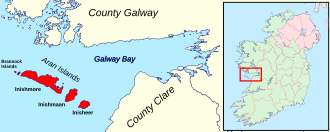
Pick a viewpoint that offers both shelter from prevailing winds and a safe distance from the cliff edge. Side paths or minor viewpoints often have fewer people. Doolin viewpoints show different angles and, on clear days, even the Aran Islands—see Aran Islands stonework styles visible from Doolin viewpoints — spotting guide for visual references you might include.
If your trip links Doolin, Lahinch or other nearby towns, consider shorter coastal routes between stops—the Lahinch to Doolin coastal connector: scenic short routes for visitors highlights good walking stretches that can include quick sketch pauses.
Safety and leave‑no‑trace: weather, cliff edges, protecting your art and local rules
Safety is paramount. The weather changes rapidly; layer clothing and secure loose materials. Do not approach unofficial paths or cliff edges for a better view. Keep a clear escape route and be mindful of sudden gusts.
Protect your art from spray and rain using waterproof cases or Ziplock bags. If you find local signage or staff advising against sketching in a specific area, follow their instructions. Where details may change, check current official information before you go.
Leave no trace: take all litter and wet wipes with you, avoid damaging vegetation, and do not affix objects or string to rocks or fences. Respect notices about conservation zones and nesting activity—County Clare coastal conservation areas: Protections around the Cliffs of Moher & the Burren — Visitor guide is a useful reference to understand protected areas.
How sketching fits with tours and day trips
Guided tours can work well for sketchers if you plan ahead. Inform your guide that you may want a 30–60 minute sketch stop; many operators will accommodate a short pause. Choose tours that allow flexible drop‑off at viewpoints rather than tightly timed itineraries.
When you travel with a group, be ready to sketch handheld or with a very small setup so you can pack up quickly if the group moves on. If you need more time, consider private or small‑group options—these let you request longer stops and quieter vantage points. For private or group tours see Plan your visit and find tours or day‑trip options that fit a sketching stop at the Cliffs of Moher and for tailored arrangements consider private bookings.
Storing, transporting and sharing quick sketches respectfully after your visit
Allow watercolour pages to dry flat in a waterproof sleeve. Keep sketches inside a rigid folder or a thin portfolio to prevent creasing during travel. If you plan to post or exhibit images online, avoid posting high‑resolution location coordinates that encourage off‑trail visiting; a descriptive caption is enough. Respect local rules about commercial sales—check with tour operators or local visitor centres if you intend to sell reproductions.
Sharing your work helps promote the special character of the Cliffs, but balance exposure with conservation: consider posting time‑lagged photos rather than real‑time location details to avoid encouraging crowding at fragile spots.
Plan your visit and find tours or day‑trip options that fit a sketching stop at the Cliffs of Moher. For private or small‑group arrangements that give extra sketching time, ask about tailored options when you book.
FAQ
Is sketching allowed at the Cliffs of Moher and are there any restricted areas?
Sketching for personal use is commonly permitted at public viewpoints and along designated paths. Some areas near nesting sites, private land or conservation zones may be restricted; signage and staff should be followed. Check current official information and local notices before sketching in sensitive areas.
Can I bring an easel or tripod, or should I work handheld on busy days?
Large easels and tripods can obstruct paths and are often discouraged during busy periods. Handheld sketching, a small clipboard or a compact travel easel are better choices for crowded viewpoints. If you need more space, consider booking a private or small‑group tour that can arrange a quieter stop.
What are the best compact materials for quick plein‑air sketches on a day trip?
Choose a small sketchbook (A5–A4), a graphite or charcoal stick, a water brush or single synthetic brush with a half‑pan watercolour set, and a small waterproof case. A lightweight clipboard and Ziplock bags for wet pages are very useful.
How can I arrange a visit or tour with enough time and space to sketch the cliffs?
When booking, tell the tour operator you want a 30–60 minute sketch stop. Look for tours with flexible drop‑off points or choose private/small‑group options for longer pauses. Alternatively, plan an independent visit using local transport hubs and walking routes—see Doolin pocket map: walking distances between harbour, pubs and B&Bs for nearby logistics.