
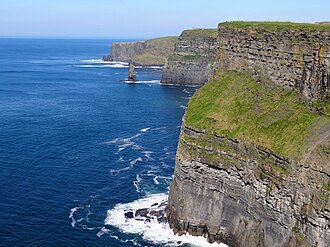
Cliffs of Moher Parking: Where to Park, Alternatives & Visitor Tips
Visiting the Cliffs of Moher is a highlight for many travellers to Ireland, and a little planning around parking can remove a lot of stress. This guide explains what to expect at the Cliffs of Moher car park and visitor centre, how to approach busy days, sensible alternatives if onsite parking is full, and practical tips to make your arrival smooth and safe. Always check current official information before you travel as access, parking layouts and ticketing can change.
Plan your visit or book a guided Cliffs of Moher tour — book ahead if you want a guided experience, or check transport options and arrival advice to reduce waiting time.
Quick overview: parking and access expectations for first-time visitors
The main visitor route brings most people to the Cliffs of Moher Visitor Centre, which is set back from the cliff edge and includes car parking, amenities and defined walkways to viewpoint areas. Expect marked entrances and signposting for the official car park and pedestrian routes. On busy days the site operates to manage safe access along the cliff top; this can include controlled entry to overlooks and queuing for the visitor centre.
If you are relying on onsite parking, be prepared for queues at peak times and variable walking times from your parked car to the main viewpoints. If you want to avoid parking uncertainty, consider one of the alternatives below.
Onsite parking at the Cliffs of Moher Visitor Centre: layout, signs, and what to expect
The onsite parking area serves the visitor centre and the primary cliff-top walkways. Expect directional signs as you approach and marked bays for cars. The layout is designed to funnel visitors toward the centre and official paths that protect the cliffs and wildlife.
When you arrive, follow staff directions and signage. Pedestrian crossings, footpaths and information boards guide you to safe viewpoints. Staff and marshals may be present during busy periods to help with traffic flow and pedestrian safety.
Do not rely on informal parking near the cliff edge—staying on official paths is safer and helps preserve the site. Also note that facilities like toilets and the visitor centre are located at the designated car park, so parking close to the centre shortens your walk to amenities.
Peak days and busy periods: planning tips to reduce stress and queues
Summer months, holiday weekends and fine-weather days attract the most visitors. Rainy or changeable weather can also prompt short-notice crowds when a sunny window appears. To reduce stress on busy days, plan an arrival strategy and have a contingency.
Arrival strategies
Aim to arrive early in the morning or later in the afternoon to avoid the busiest mid-day rush. If you have little flexibility, arrive prepared to queue for parking or entry to the visitor centre. Factor in extra time for walking from the car park to viewpoints and for any admission processing.
Contingency planning
If onsite parking is full, have a fallback plan: nearby towns and transport options (below) can save time and frustration. Allow extra time in your itinerary so you can wait for a space, use a shuttle, or take a guided tour that drops you at the site.
For broader timing and crowd advice, see When to Visit the Cliffs of Moher: Best Times, Weather & Crowd Tips.
Alternatives to onsite parking
If onsite parking is limited or you’d prefer not to drive directly to the visitor centre, there are practical alternatives to consider.
Nearby towns
Towns like Doolin and Liscannor are used by many visitors as bases for the cliffs. Parking in a nearby town and using a shuttle, local taxi or a short drive on to the visitor centre can be less stressful than waiting for onsite spaces. Check local parking availability and transport options before you travel.
Paid shuttles and park-and-ride
Seasonal shuttles and park-and-ride services sometimes run from surrounding towns to the visitor centre. These services remove the need to navigate the immediate site traffic and may drop you closer to the entrance. Check current service availability before you travel as schedules and routes change.
Public transport and guided day tours
Public buses and organised day tours are useful alternatives if you prefer not to drive. Guided tours often include hotel pick-up and drop-off, which removes the parking question entirely and can be a convenient option from cities like Galway and Dublin. For planning from larger hubs see Galway to Cliffs of Moher Tour: Practical Planning Guide and Dublin to Cliffs of Moher Tour: Options & Sample Itineraries.
Guided tours also work well for photographers—see Best Cliffs of Moher Tour for Photographers: Timing, Viewpoints & Tips.
Vehicle considerations: cars, minibuses, campervans and disabled access advice
Most standard cars can access the visitor car park without issue. Larger minibuses may be accommodated but manoeuvring and bay sizes vary — check with your tour operator or transport provider. Campervans and large vehicles can face restrictions or limited spaces; if you travel in a campervan, plan parking in advance and confirm whether the site can accept oversize vehicles.
Accessible parking is provided to assist visitors with reduced mobility and is located to minimise walking distances to the visitor centre and accessible viewpoints. If you or someone in your party has specific mobility needs, check current official guidance and contact the visitor centre in advance so staff can advise on the most suitable approach and routes.
Parking and entry: how parking relates to the visitor centre, ticketing, and staying on official paths
Parking at the site is tied to access to the visitor centre and the designated cliff-top walkways. Tickets and timed entry (if in place) are managed through the visitor centre; parking does not automatically grant access to restricted areas outside the official paths. Always follow signage and staff instructions.
Staying on official paths protects both visitors and the landscape. The cliff edge is subject to dangerous winds and erosion; venturing off the marked routes is unsafe and may be restricted. Check the current visitor centre policies and ticketing arrangements before you go, as these can change seasonally or for conservation reasons.
Practical tips and packing list for a smooth arrival
Prepare for variable Atlantic weather and walking on exposed cliff-top paths. Keep your kit simple and practical so you can move safely between car and viewpoints.
- Footwear: sturdy, comfortable walking shoes or boots with grip.
- Layers: windproof and waterproof outer layer plus insulating mid-layers.
- Bag: small daypack for water, snacks and spare layers.
- Essentials: water bottle, camera, power bank, sun protection and a hat.
- Safety: stay on marked paths, keep a safe distance from the cliff edge, and supervise children closely. For family planning see Cliffs of Moher with Kids: Family-Friendly Guide & Safety Tips.
Arrival checklist: check official site updates before you set out, allow extra time for parking and walking, secure valuables in the vehicle, and have contact details for a local taxi or shuttle as a backup.
Plan your visit or book a guided Cliffs of Moher tour — guided options can simplify transport and parking decisions and include commentary to enrich your visit.
If you prefer private or small-group transport, consider booking a private tour for door-to-door service and dedicated time at the viewpoints: Book private or group tours.
Final checklist before you go
Quick final checks will help avoid surprises: confirm current parking and access information from official sources, review weather forecasts, allow flexible time in your itinerary, and have a backup plan if the onsite car park is full. Bring layers, good shoes and a charged phone. Above all, prioritise safety and respect the site’s rules and signage.
FAQ
Is there parking at the Cliffs of Moher Visitor Centre?
Yes. There is an onsite car park serving the visitor centre and cliff-top walkways. Follow the signage on arrival and check current guidance if you have mobility needs or other specific requirements.
Should I pre-book parking or arrive at a certain time?
Pre-booking parking may not be offered in all cases; check official channels for current options. Arriving early or later in the afternoon can reduce congestion, and booking a guided tour removes the need to manage parking yourself.
What are the best alternatives if onsite parking is full?
Alternatives include parking in nearby towns such as Doolin, using shuttle services or public transport, and taking an organised day or private tour from hubs like Galway or Dublin. See the linked planning guides for details and consider a tour that includes transport if you want a stress-free option.
Are campervans and large vehicles able to park at the site?
Large vehicles and campervans may face limitations. Spaces are primarily designed for standard cars; if you travel in a large vehicle, check current site guidance or arrange alternative parking in nearby towns and use local transport to reach the visitor centre.