
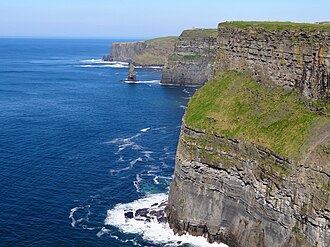
Best time to visit Cliffs of Moher for wildlife and birdwatching
The Cliffs of Moher are one of Ireland’s top wildlife destinations: dramatic sea cliffs host large seabird colonies, seasonal puffins, and passing marine mammals. If your goal is birdwatching or spotting seals, dolphins and whales, timing your visit matters—season, time of day and sea conditions all change what you’ll see and how comfortable your viewing will be. This guide explains the best time to visit Cliffs of Moher for wildlife and birdwatching, with practical tips on tours, weather, packing and how to check current local conditions before you travel.
Plan & book a guided Cliffs of Moher tour to maximise wildlife viewing with experienced local guides who know the best viewpoints and current sightings.
Why timing matters for wildlife viewing at the Cliffs of Moher
Wildlife at the Cliffs responds to seasons, tides and weather. Breeding seabirds gather on cliff ledges in spring and summer, marine mammals may follow shoals of fish, and shore activity varies with daylight and wind. Visiting at the right season increases your odds of seeing target species; visiting at the right time of day and in calmer weather improves visibility and comfort. Safety and guided access considerations are also affected by weather and sea state, so planning ahead helps both sightings and enjoyment.
Which wildlife you might see — seasonal guide
Expect variety, not guarantees. Wildlife movements change year to year; always check current reports before travelling.
Puffins
Puffins nest in burrows on grassy cliff tops and ledges during the breeding season. You’re most likely to see them from late spring into summer, when adults are feeding chicks and returning to the cliffs. Puffins often come ashore at dusk and early morning to tend burrows, but they also fish offshore during daylight.
Seabirds
The cliffs host large colonies of guillemots, razorbills, kittiwakes, fulmars and other seabirds. Breeding colonies are busiest in spring and summer when nests and chicks are present. Outside the breeding season many seabirds are still visible offshore but may be more dispersed.
Seals and marine mammals
Common and grey seals are frequently seen around the base of the cliffs or hauled out along nearby rocks. Dolphins and porpoises are regular visitors; whales pass less frequently but are observed at times. Sightings of marine mammals depend on prey distribution, sea conditions and time of year, so variability is high—check recent sighting reports and tour operator updates.
For a broader view of when to visit and how crowds and weather affect framing your wildlife visit, see our overview on When to Visit the Cliffs of Moher: Best Times, Weather & Crowd Tips.
Best time of day for wildlife and calmer viewing conditions
Mornings often provide calmer sea conditions and softer light for spotting animals on water and along shorelines. Early morning can reduce glare, and seabirds may be most active fishing for young chicks. Late afternoon and early evening can also be good—puffins sometimes return to land near dusk—but wind commonly increases later in the day, which can reduce visibility and comfort.
If you plan photography, golden hours around sunrise and sunset deliver flattering light, but those times can be colder and windier. For the quietest experience, aim for weekday mornings where possible to avoid peak tourist crowds and to give guides room to operate without congestion.
Weather and sea conditions: how they affect sightings and safety
Wind, rain and visibility directly affect your ability to spot wildlife and the safety of shore and boat-based viewing. Strong winds and heavy seas reduce the number of active boats, make boat trips uncomfortable or unsafe, and push birds lower or further offshore. Fog and low visibility will limit long-distance sightings and marine mammal detection.
Always be prepared to change plans if conditions deteriorate. Guided tours and the visitor centre post current safety notices—check them before you travel. For practical visitor information such as parking and access options, refer to Cliffs of Moher Parking: Where to Park, Alternatives & Visitor Tips.
Choosing wildlife-focused tours and boat trips
Guided options increase your chances of sightings because experienced guides know where birds and marine mammals are likely to be and how to read sea conditions. Look for operators that advertise wildlife expertise, small group sizes, and binoculars or naturalist commentary.
Boat trips provide an unmatched perspective of cliff colonies and marine life, but they depend on safe sea conditions. Shore-based guided walks can be excellent for seabird identification and coastal ecology without relying on calm seas. If you’re coming from outside the region, combined options such as Galway to Cliffs of Moher Tour: Practical Planning Guide for Visitors or Dublin to Cliffs of Moher Tour: Options, Sample Itinerary & Tips can include guided wildlife elements—check itineraries and ask about wildlife-focused departures.
When evaluating tours, ask about:
- Guide qualifications and wildlife experience.
- Average group size and the ratio of passengers to guides.
- Whether binoculars or spotting scopes are provided or available to hire.
- Cancellation or rebooking policies in poor weather.
- Departure points and whether the operator monitors local sighting reports.
Practical packing and preparation for a wildlife-focused visit
Pack in layers: coastal weather can change rapidly even in a single day. A waterproof outer layer and windproof jacket are essential. Good walking shoes or boots with grippy soles are important for uneven paths and damp surfaces. Binoculars are among the most valuable items for birdwatching; consider a compact pair or renting optics locally if you prefer to travel light.
Other useful items:
- Hat and gloves in cooler months; sun protection and sunglasses for bright days.
- A small backpack, water and snacks—on-site options can be busy or limited.
- Camera with a telephoto lens if you plan photography—see tips in our Best Cliffs of Moher Tour for Photographers guide for timing and viewpoints.
- Respectful behaviour: stay on marked paths, keep noise to a minimum and maintain distance from nesting birds and resting marine mammals.
Where to watch from the shore
Several headlands and official viewing platforms offer excellent vantage points for bird colonies and the sea below. Staying behind barriers and on marked trails protects wildlife and keeps you safe from cliff-edge hazards. For the most practical parking and access tips near popular viewpoints, check official guidance on parking and alternatives at Cliffs of Moher Parking: Where to Park, Alternatives & Visitor Tips.
Planning checklist and how to check up-to-date local reports
Before you go, run through this checklist:
- Decide which species you most want to see and select seasonally appropriate dates.
- Check recent sighting reports and social media updates from local wildlife groups and tour operators.
- Confirm tour availability and cancellation terms—operators monitor weather and may change plans for safety.
- Pack binoculars, layered clothing and waterproofs; charge camera batteries and bring spare memory.
- Review access notes and parking options to plan arrival—see parking guidance and our general visiting advice in When to Visit.
Where details may change—such as guided departure points, boat trip availability or visitor centre notices—check current official information before travel. Local tour operators and the visitor centre are the best sources for the latest sighting reports and safety updates.
Want the best chance of memorable wildlife encounters? Plan & book a guided Cliffs of Moher tour with experienced naturalist guides who follow current sighting reports and choose the best local viewpoints for birds and marine mammals.
For small groups or private wildlife-focused trips, consider booking a private tour tailored to your interests; private/group tours can maximise flexibility for timing and allow a more personalised wildlife experience. Book private tours here: Plan & book a guided Cliffs of Moher tour.
FAQ
When can I see puffins at the Cliffs of Moher?
Puffins are typically present during the breeding season in late spring and summer when they nest in burrows and return frequently to feed chicks. Exact dates vary each year; check recent sighting reports and local tour operator updates for current conditions before planning your visit.
Can I spot dolphins, whales or seals from the cliffs or on a tour?
Yes—seals are commonly seen from shore and at sea. Dolphins and porpoises are regular visitors and can be seen from boats or occasionally from the cliffs. Whales pass less frequently but are recorded at times. Sightings depend on prey distribution and sea conditions, so tours and local reports offer the best real-time information.
Are there wildlife-focused tours or boat trips that increase chances of sightings?
Yes. Choose operators with wildlife expertise, small group sizes and naturalist commentary. Boat trips give unique close-up views of seabird colonies and marine life but depend on calm seas. Shore-based guided walks are excellent for learning about birds and cliffs when boat trips aren’t feasible.
How do weather and sea conditions affect wildlife viewing and tour cancellations?
Wind, rain and rough seas reduce visibility and make boat trips unsafe, leading operators to cancel or reschedule. Fog limits long-distance sightings. Tours and the visitor centre monitor conditions and post updates; check them before travel and be prepared to adjust plans.